


The health plans have launched a new care coordination model for their 85,000+ members who lack stable housing.
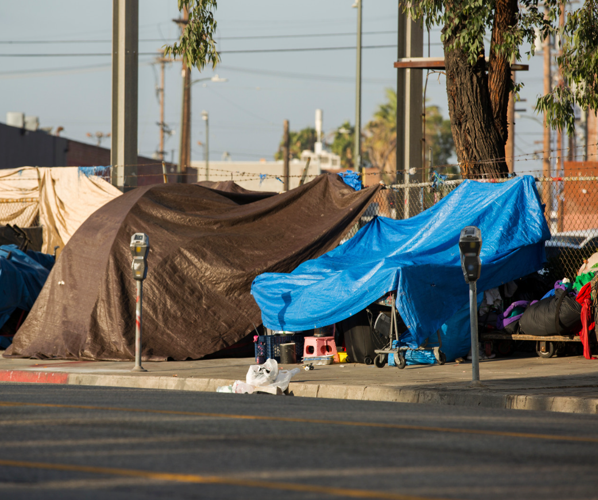
L.A. Care Health Plan and Health Net announced last week the development of two complementary programs that could provide medical care and resources to approximately 85,000 unhoused Angelenos.
The first program will take place in streets, tent encampments, shelters and temporary housing sites. The Field Medicine Program offers preventive and urgent health care, chronic disease management, social services and primary care. The program is valued at $60 million.
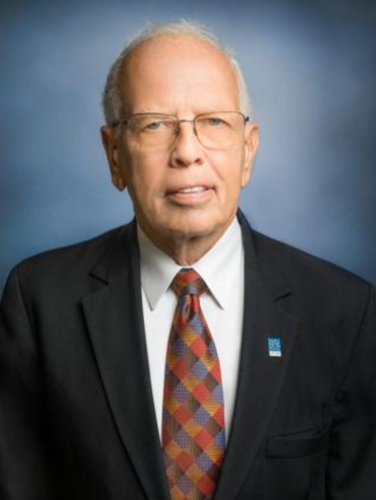
“The Field Medicine Program is grounded in the philosophy that every Medi-Cal beneficiary, regardless of housing status, is entitled to the same level of service and a true medical home,” said John Baackes, L.A. Care CEO. “The program is designed to develop a countywide network of primary care providers who can provide that medical home and all the services associated with high-quality primary care in a way that will be easier for individuals experiencing homelessness to access.”

John Baackes CEO of L.A. Care Health Plan.
In contrast to the current street medicine model, which is episodic and oriented around urgent care, 19 providers will participate in the program to provide a more consistent level of care. The program also includes 15 regions across L.A. County, each with a designated regional anchor provider to ensure access to care across the entire county and to facilitate coordination with other providers.
“To address homelessness, support must extend beyond physical housing. It requires whole-person care for these vulnerable individuals,” said Martha Santana-Chin, Plan Chief Product President at Health Net. “This investment continues to underscore our belief that every person deserves a safety net for their health, regardless of age, income or current state of health. We are excited to partner with L.A. Care Health Plan on another incredible initiative that will serve Angelenos.”
The funding for this program will support additional staffing for the Field Medicine Primary Care teams to be deployed across these regions based on population need. Additionally, members will have access to a medical home for health care and critical social services support in every region across the county that will be available even as individuals transition from unsheltered homelessness to interim housing and even to permanent housing.
In L.A. Care and Health Net's experience, primary care services are inaccessible to many individuals. One of the other challenges they see is how difficult it can be to schedule an appointment or travel to a doctor’s office, especially if they fear leaving their belongings behind. As a result, unhoused people are more likely to suffer from unmanaged chronic diseases, including behavioral health disorders, than individuals who are housed.
The L.A. County Department of Public Health recently released a report showing the mortality rate among people experiencing homelessness, which was about four times greater than all other L.A. County residents. The Field Medicine Program is designed specifically to address these high mortality rates among people experiencing homelessness.
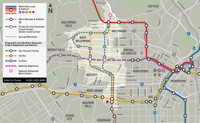
The second program, the Skid Row Care Collaborative, is designed to meet the unique needs of the downtown neighborhood with a high concentration of homeless individuals as well as established providers who provide services for them. The Collaborative includes $30 million of funding for services and additional facilities on Skid Row, including $10 million in funding to launch the Los Angeles County Department of Health Services Crocker Street Campus.
Additionally, it will include walk-ins, harm reduction services, observation beds, extended hours for urgent care and pharmacy, community ambassadors and onsite specialty medical services. It will also include a free shuttle to connect members to these services within the neighborhood. To receive this funding, providers serving Skid Row will collaborate to ensure a “no wrong door” approach to coordinated access to care for Skid Row residents.
The funding for this investment comes from California’s Housing and Homelessness Incentive Program (HHIP), which the state launched with the help of matching funds from the American Rescue Plan Act. HHIP rewards Medi-Cal managed care plans for making progress in addressing homelessness and housing insecurity as social drivers of health. L.A. Care will commit 70 percent of the total funding for these programs, with Health Net committing 30 percent.
The two new initiatives support the goal of advancing health equity, which means providing a fair and equal opportunity for everyone to be as healthy as possible, regardless of their housing situation or social barriers.





(0) comments
Welcome to the discussion.
Log In
Keep it Clean. Please avoid obscene, vulgar, lewd, racist or sexually-oriented language.
PLEASE TURN OFF YOUR CAPS LOCK.
Don't Threaten. Threats of harming another person will not be tolerated.
Be Truthful. Don't knowingly lie about anyone or anything.
Be Nice. No racism, sexism or any sort of -ism that is degrading to another person.
Be Proactive. Use the 'Report' link on each comment to let us know of abusive posts.
Share with Us. We'd love to hear eyewitness accounts, the history behind an article.