

Editor's Pick Spotlight
Antonette Franceschi-Chavez opened Casita Bookstore in the heart of Fourth Street in Long Beach to create a diverse and inclusive literature c…
Antonette Franceschi-Chavez opened Casita Bookstore in the heart of Fourth Street in Long Beach to create a diverse and inclusive literature c…

A group of parents, community leaders and educators recognized the importance of multilingual education during the first annual Voices of Hope…

As a former Spanish teacher, Laura C. Chávez-Moreno often witnessed her students grappling with racial identity and cultural expectations in w…

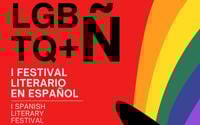
The LGBTQ+Ñ Literary Festival in Spanish – the first of its kind – will kick-off six days of panels, short film screenings, book signings, per…

Linguistic justice speaks to education, equity and how we see ourselves, says Eduardo R. Muñoz-Muñoz of San José State University. Credit: STA…
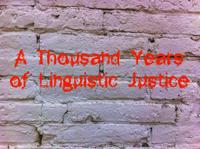
From law to applied linguistics, “linguistic justice” has gained traction and has a bearing in translanguaging as an intersectional identity issue. When it comes to educational linguistics, linguistic justice entails promoting languages endangered due to coercive monolingual laws or racial prejudices in school settings. This justice is for the speaking selves of children, flowing unpredictably as they learn, without the stigma of incompleteness or faultiness.
Dr. Malcom Finney believes that it just takes one moment of falling in love with speaking another language with another human being for us to realize that languages are not threatening.

In Los Angeles and throughout California, you can hear the combining of languages, from English to Spanish and vice versa, to create vibrant n…
Dr. Malcom Finney believes that it just takes one moment of falling in love with speaking another language with another human being for us to realize that languages are not threatening.