




Many Latinos and their families are committed to raising awareness of Alzheimer’s disease, especially in November, as it marked National Alzheimer’s Disease Awareness Month. Whether it is a family member or a friend, there is a high chance that most of us know someone whose life has been touched by the disease.
In 1983, former President Ronald Reagan designated this Alzheimer’s disease as a health priority, recognizing the need for increased awareness. According to Senior Living, there were less than two million Americans with Alzheimer’s disease at that time. That number has increased to almost 6 million nationally. Approximately 13% of Latinos who are 65 or older have Alzheimer’s or another form of dementia, according to the Alzheimer’s Association.
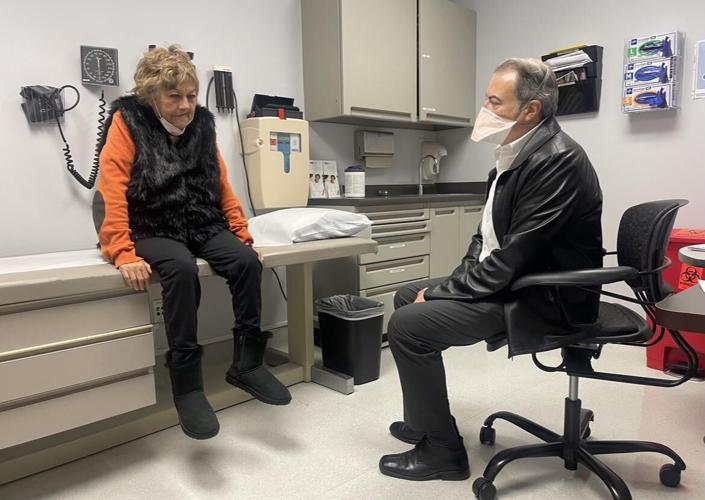
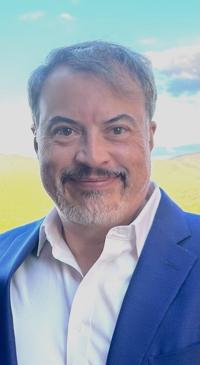
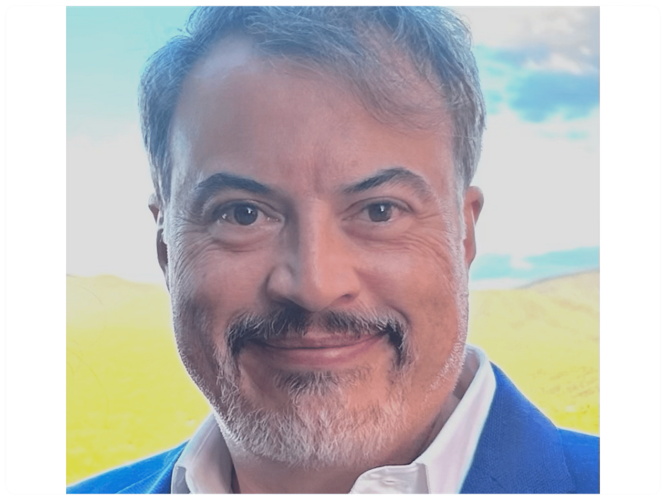
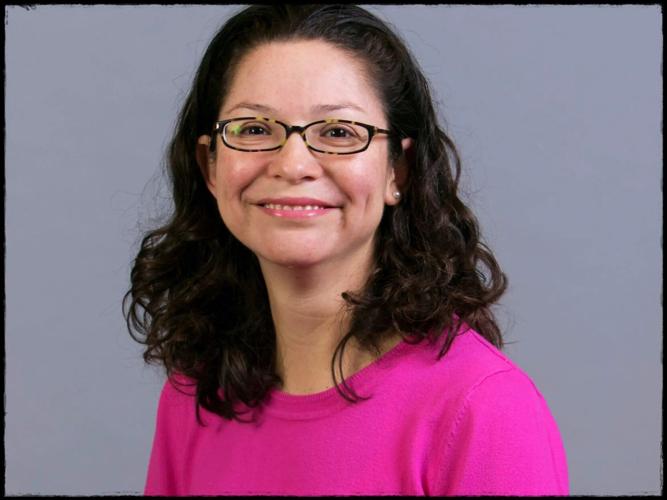
CALÓ NEWS spoke with Dr. Lucas Restrepo, who is currently a clinical assistant professor of neurology at the David Geffen School of Medicine at UCLA. His specialties are stroke, vascular neurology, Alzheimer’s disease, dementia and memory disorders. Dr. Restrepo is the co-inventor of several cooling devices for neuroprotection and helped develop a blood test for Alzheimer’s disease.

Dr. Restrepo is the co-inventor of several cooling devices for neuroprotection and helped develop a blood test for Alzheimer’s disease.
He obtained his MD degree from the Health Science Institute in Colombia, South America, in 1993, completing his neurology residency at Georgetown University in 2000 and a stroke fellowship at Johns Hopkins Hospital with Robert J. Wityk in 2002. He has earned several academic awards, including “intern of the year” at the University of Texas Health Science Center in San Antonio in 1996 and being named “neurology attending of the year” by the UCLA neurology residents in 2006 and 2010.
Understanding Alzheimer’s disease during November and other times of the year is very important to Dr. Restrepo, as it can help those who still haven’t been diagnosed. “It’s important to know that Alzheimer’s disease is not due to old age and is not the natural effect of aging; instead, it is an illness that requires detection,” he said.
According to the Alzheimer’s Association, Alzheimer’s is a type of dementia that affects memory, thinking, and behavior. In addition, Alzheimer’s disease also accounts for 60-80% of dementia cases. Dr. Restrepo believes that those diagnosed with Alzheimer’s disease will have better outcomes if they are detected early and begin therapy as soon as possible.
The high prevalence of obesity, which is a risk factor for diabetes and cardiovascular disease, suggests that the Latino population is more prone to developing Alzheimer’s disease and related dementias due to a higher prevalence of these chronic, but preventable, diseases, according to the National Library of Medicine.
Dr. Restrepo said that there is definitely a high percentage of Latinos with high blood pressure, which puts an individual at higher risk for developing Alzheimer’s disease as you get older. “High blood pressure is kind of a silent killer, and it may not cause any symptoms for many years, but eventually it can lead to a stroke and dementia if not taken care of.” For Dr. Restrepo, it’s important to do regular doctor checkups so that leading contributions to Alzhimer’s disease can be prevented.
“There are many reasons why the Latino community is at higher risk, but many Latinos in this country also may have difficulty accessing the medical system or may have a language barrier or a cultural barrier,” Dr. Restrepo said. Additionally, Latinos tend to have less wealth than other members of society, which may lead to a lack of health insurance, according to Dr. Restrepo. “Individuals who do not have health insurance are less healthy than the person who has health insurance, so that’s a big problem in our community.”
CALÓ NEWS also spoke with Linda Loera, who is a community outreach specialist with the Alzheimer’s Association in Southern California. In addition to educating the community about Alzheimer’s disease and participating in community events to raise awareness, she provides information and support to families and caregivers as well.

Alzheimer’s Association
Before joining the Alzheimer’s Association, Loera worked for the HICAP (Health Insurance Counseling & Advocacy Program) for 11 years, counseling and advocating on behalf of Medicare beneficiaries. She is bilingual in Spanish and English and earned her bachelor’s and master’s degrees in Latin American Studies and a second master’s degree in urban planning from the University of California, Los Angeles.
To Loera, it’s crucial to raise awareness about Alzheimer’s disease because it impacts Latinos. She encourages and supports families in educating themselves about the disease, like what it may look like and what they need to do to care for the person with the disease. “Even the person with the diagnosis needs to prepare for what they are going to tell their family and the things that they might need help with. We always encourage families to talk about the disease, even though there could be some denial,” she said.
Loera believes that there’s a stigma with the disease in the Latino community, and a lot of times, even if they are aware of it, they don’t really want to talk about it. “It is a very difficult diagnosis, especially because there is no cure for it. People try to just ignore it, and there’s a lot of denial. Again, a lot of the time in the Latino community, they use the excuse ‘just because they are old,’ but the challenges that come as the disease progresses are not the normal everyday changes that older people have,” Loera said.
According to the Alzheimer’s Association, the Latino community is underrepresented in clinical trials. On their website, it states that just over 51% of individuals say they are reluctant to engage in clinical trials because they don’t want to be “guinea pigs.” Also, individuals are only interested in volunteering if they are invited to participate. 85% of them would want to contribute to the research goal, and 74% of individuals would also contribute to clinical trials because they have a family member with the disease.
Raising awareness in the Latino community is important because Latinos are one and a half times more likely to have Alzheimer’s than non-Latinos, Loera said. “We have more of an impact of developing the disease, and also because many other theories in our healthcare system say that we do. So, it’s really important to raise awareness in any community.”
According to the Alzheimer’s Association, there are 10 warning signs and symptoms to look out for. If you notice any of them, don’t ignore them. Schedule an appointment with your doctor. Symptoms are the following:
- Memory loss that disrupts daily life.
- Challenges in planning or solving problems.
- Difficulty completing familiar tasks.
- Confusion with time or place.
- Trouble understanding visual images and spatial relationships.
- New problems with words in speaking or writing.
- Misplacing things and losing the ability to retrace steps.
- Poor judgment.
- Withdrawal from work or social activities.
- Changes in mood and personality.
Whether you or a loved one has been diagnosed with Alzheimer’s or another dementia, the Alzheimer’s Association is your trusted resource for reliable information, education, referrals and support system. For free bilingual consultation in English and Spanish, call the Alzheimer’s Association hotline at (800) 272-3900.
To learn more about Alzheimer’s disease and ways you can support families and people living with the disease, visit the Alzheimer’s Association website.














(0) comments
Welcome to the discussion.
Log In
Keep it Clean. Please avoid obscene, vulgar, lewd, racist or sexually-oriented language.
PLEASE TURN OFF YOUR CAPS LOCK.
Don't Threaten. Threats of harming another person will not be tolerated.
Be Truthful. Don't knowingly lie about anyone or anything.
Be Nice. No racism, sexism or any sort of -ism that is degrading to another person.
Be Proactive. Use the 'Report' link on each comment to let us know of abusive posts.
Share with Us. We'd love to hear eyewitness accounts, the history behind an article.