





Female student studying and using pc at home getting headache. By Diego_cervo
Managing stress is an essential component of a healthy lifestyle for everyone.
For that reason, Stress Awareness Month is observed in April to raise awareness of its negative effects.
CALÓ News spoke to therapist Frances Chinchilla Orellana, clinical supervisor of Behavioral Health Services at AltaMed, to discuss stress awareness month in the Latino community. “It's definitely important to keep stress awareness at the forefront and on a regular basis. It's also good to have a month to be able to kind of bring up that topic and how we all deal with stress,” she said.
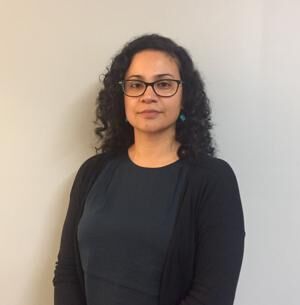
Frances Chinchilla Orellana, clinical supervisor of Behavioral Health Services at AltaMed. Photo courtesy of AltaMed
AltaMed Health Services is one of the nation’s largest federally qualified community health centers, with more than 60 health centers in Los Angeles and Orange counties. AltaMed serves more than 500,000 people, regardless of their ability to pay. About 80% of AltaMed’s patient demographic is Latino and on Medi-Cal.
Orellana also said that depending on our level of stress, it can actually have a negative impact on not only our mental health but our physical well being as well. According to a survey from the American Psychological Association, 54% of Latinos report being concerned about stress more often than the general public. Orellana told CALÓ News that bringing light to this issue and bringing attention to it can perhaps present ways to better manage our stress levels.
“The American Psychological Association survey also found that about 76% of respondents actually experienced one symptom of stress over the past month. And we can just kind of think about the impact that the pandemic had on everyone's stress level, specifically in the Latino community,” Orellana said. “I think our community was the one that got the hardest hit by the pandemic for various reasons and socio-economic reasons.”
According to a Pew Research Center survey, about six-in-ten Latinos (62%) said they had experienced at least one of the seven financial hardships asked about in the survey, with Latinos most often saying they had trouble paying bills (35%) and gotten food from a food bank or other charitable organization (31%). “Being locked up during the pandemic—the loss of families, the loss of jobs, working nonstop, working from home, having the kids there—was a lot for our community,” Orellana said.
In addition to the Pew Research Center survey, even though many Latinos were facing several challenges, they also leaned into family ties and friendships during the pandemic. A majority (58%) said that they helped relatives or close friends in several ways – by delivering groceries, running errands or caring for their children (39%), sending or loaning money to family or friends in another country (28%), or sending or loaning money to family or friends in the U.S. (26%).
Orellana also said that stress can be very normal and that we can all experience it from time to time, and it can actually even be good for our health. “I think there might be times where we might be stressed because something exciting might be happening in our lives, like we're getting a promotion or, you know, you're expecting a baby. So, you might experience some stress,” she said. “So our nervous system kind of activates and gets us going when we are stressed. But our stress might actually motivate us to get things done and accomplish tasks, but it becomes a problem when it's chronic.”
According to Orellana, there are four signs to check if stress is starting to be chronic:
When it starts to affect our physical and emotional health.
The level of irritability.
Disruption in sleep.
Constant worry and rumination.
She said these are all indicators that an individual might no longer be able to effectively manage their stress level. Some other signs are headaches, digestive issues, and muscle tension, and these are also indicators that our body is trying to communicate with us,” she said.
Orellana also said that the best thing to do is to take a step back, assess the situation and see what is in our control and how we can better manage or reduce our stress levels. “Stress is not only felt emotionally, it's going to have an impact on our body because of stress hormones,” she said. “The cortisol stress hormone is constantly flowing if we're under chronic stress, and that's if it’s consistent stress levels.”
She also gave some advice on how Latinos can improve stress awareness.”I think it starts with just checking in with ourselves and recognizing stress and the red flags,” she said. For Orellana, it is also important that the Latino community make time for self care and relaxation. “Latinos have a hard time putting out and relaxing. A lot of the people in our community don't really know how to do that, or don't know what that can look like.”
Orellana also believes that many Latinos associate relaxing with spending money or going somewhere to get a massage, which is not the case. Some ways that individuals can relax, according to Orellana, include cooking, gardening, reading a book, dancing, going for a walk, exercising, meditating and sometimes even cleaning.













(0) comments
Welcome to the discussion.
Log In
Keep it Clean. Please avoid obscene, vulgar, lewd, racist or sexually-oriented language.
PLEASE TURN OFF YOUR CAPS LOCK.
Don't Threaten. Threats of harming another person will not be tolerated.
Be Truthful. Don't knowingly lie about anyone or anything.
Be Nice. No racism, sexism or any sort of -ism that is degrading to another person.
Be Proactive. Use the 'Report' link on each comment to let us know of abusive posts.
Share with Us. We'd love to hear eyewitness accounts, the history behind an article.