
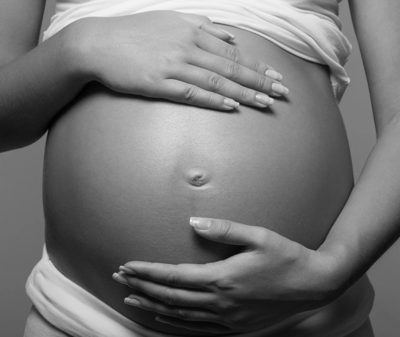



(Canva photo.)
A recent study done by the American Heart Association’s (AHA) flagship journal Circulation has found that cardiovascular complications during pregnancy are on the rise. One out of every seven pregnancies experience cardiovascular-related health problems.
Dr. Juan Silva, a family physician at Dignity Health, affiliated with AHA, spoke with CALÓ News about the risk factors for cardiovascular disease and their negative effects on Latinas during and after pregnancy. He noted that genetics and unhealthy dietary habits are among the primary reasons women are at increased risk of cardiac disease during the pre- and post-delivery periods.
“Unfortunately, in our community, we tend to eat a lot of cultural and traditional foods that we are now realizing aren’t as healthy,” he said. Those can include sugar-sweetened beverages, high-sodium snacks, refined grains, processed meats and canned fruit and vegetables. “Maybe in our motherland that was healthier, and here it tends to be more processed and because of that reason it's impacting women before they become pregnant.”
Other factors that are highly associated with cardiovascular disease and that impact women before and during pregnancy are obesity, high blood pressure, high cholesterol and diabetes. “Some women already come into the pregnancy with several of these high risk factors and that sometimes puts a bigger strain on the body and therefore, we'll see more complications after birth,” Dr. Silva said.
He also shared that pregnancy itself is considered a stress test for the heart as it requires an increase of cardiac output, meaning the heart has to work harder to not only deliver the adequate blood supply to both the mom and the fetus. “What we tend to see is that heart rates go up sometimes 20 to 30 points. When we see women during their evaluations, we see that their heart rates are in the 100s when prior to that it was a little lower,” he said.
Pregnancy is not only considered a stress test for the body, but it can also increase the risk of heart disease after childbirth. Dr. Silva told CALÓ News that individuals who experience obesity after giving birth are also at higher risk for developing heart disease later in life, including those who are pre-diabetic or diabetic during pregnancy.
In 2024, Hispanic/Latino adults were diagnosed with diabetes at a rate that was 13% higher than the total adult population, according to the Office of Minority Health (OMH). For Dr. Silva it is important to raise awareness that there is a need and a focus on lifestyle changes for example eating healthier, and exercising more. “It doesn't have to be joining a gym but doing more walking or cardio,” he said.
Preeclampsia and gestational hypertension are leading pregnancy complications that signal a higher risk of developing chronic hypertension later in life, which in turn increases the risk of heart disease. “Preeclampsia is a condition where the mother who's pregnant, may have signs of high blood pressure and it's a precursor to what we don't wanna see during the delivery because that can cause accelerated high blood pressure,” Dr. Silva explained.
He also emphasized that some cardiovascular symptoms during pregnancy should not be ignored. Those symptoms include excessive swelling, chest pain and shortness of breath beyond what is typical. He shared that there have been cases where women develop a condition called cardiomyopathy, which is a dilatation or an enlargement of the heart that occurs during pregnancy. “There's no risk factors for that but unfortunately may happen to a very small number of women but the good thing is that we have a lot of medications called guideline medical therapies for heart disease that can somehow remodel the heart so that it can improve,” he said.
Dr. Silva said that postpartum care is a key factor in trying to prevent heart disease from occurring. Women must follow up with their OB/GYN, check up on their high blood pressure and maintain a healthy weight.
According to AHA Cardiovascular disease is the number one killer of women, including 28.3% of Latina deaths. Yet the number of Latinas aware of their risk for heart disease has continued to decline even though 43% of Latinas have cardiovascular disease.
The association states that there is also a decline among Latinas in the awareness of certain symptoms associated with a heart attack, including chest pain, pain that spreads to the shoulders, neck or arms and shortness of breath.
Dr. Silva recommended that if Latinas want to take any steps to protect their health during and after pregnancy, is to be aware of any family history that is associated with any of the high-risk chronic diseases. But it's even more important for him for women to really focus on lifestyle changes as well.
“The biggest risk factor for cardiovascular risk, at the end of the day, is obesity and that's preventable,” he said. “We understand that is a challenge and a journey for a lot of people, but it's one key thing that we really have to focus on. If we do that, I think then we can keep our Latina women and Latina mothers to live longer and at the same time keep them healthier.”








(0) comments
Welcome to the discussion.
Log In
Keep it Clean. Please avoid obscene, vulgar, lewd, racist or sexually-oriented language.
PLEASE TURN OFF YOUR CAPS LOCK.
Don't Threaten. Threats of harming another person will not be tolerated.
Be Truthful. Don't knowingly lie about anyone or anything.
Be Nice. No racism, sexism or any sort of -ism that is degrading to another person.
Be Proactive. Use the 'Report' link on each comment to let us know of abusive posts.
Share with Us. We'd love to hear eyewitness accounts, the history behind an article.