



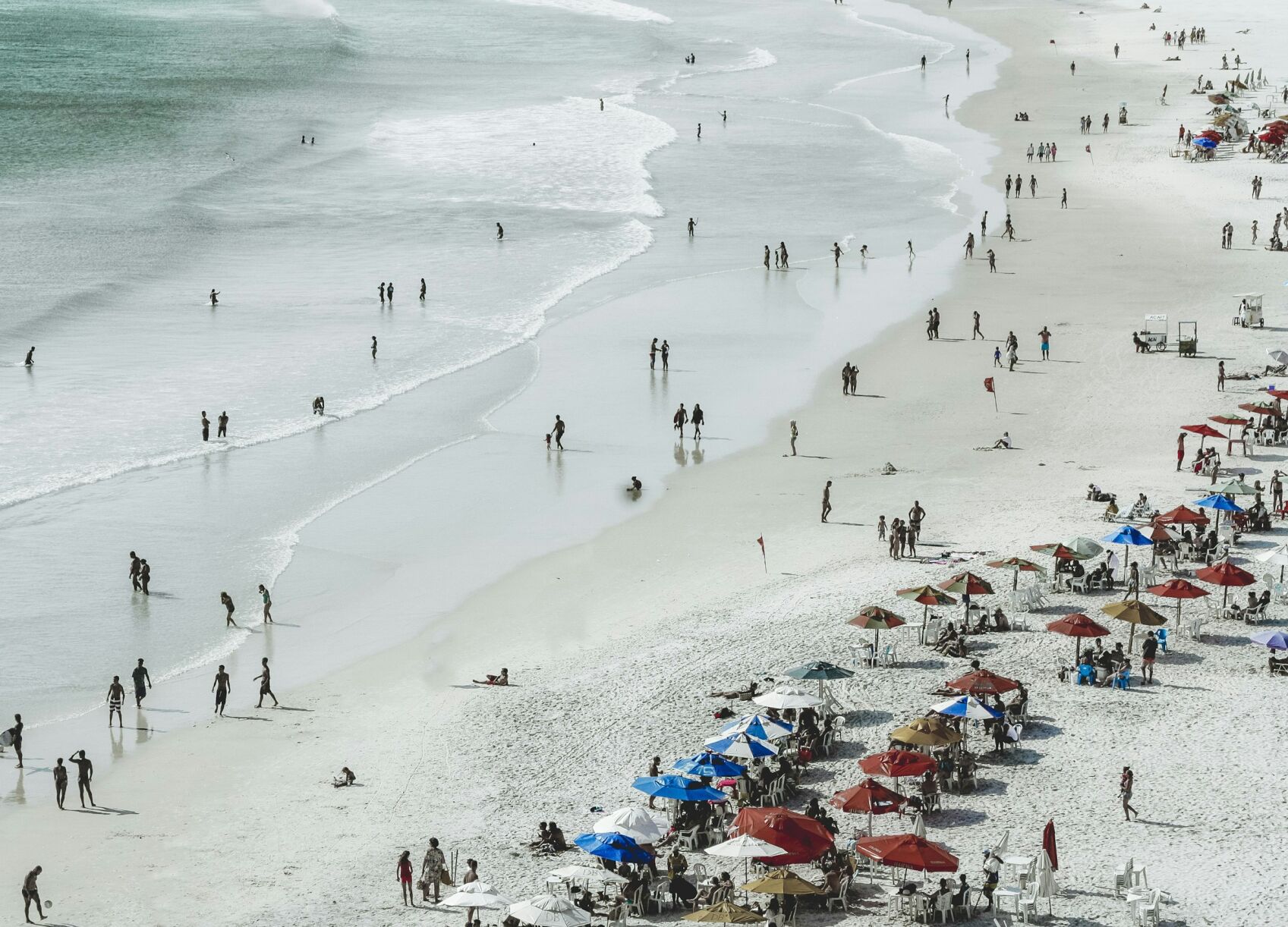
Photo by LUDDMYLA on Unsplash.
Approximately 1,220 people in the United States are killed by extreme heat every year, even though related deaths and illnesses are preventable, according to the Centers for Disease Control and Prevention.
Heat can cause heat-related illnesses and threaten health in a more subtle way - by exacerbating the side effects of many common medications that are taken to manage or control chronic health conditions. But as many of us know, Latinos are more susceptible to chronic health issues, which puts the Latino community at greater risk for heat-related illnesses. According to 2019 data from the Centers for Disease Control and Prevention, some of the leading causes of death among Latinos include cancer, heart disease, unintentional injuries, stroke and other cerebrovascular diseases, diabetes and Alzheimer’s disease.
There’s also the risk that hot weather can damage medicines such as insulin, inhalers, EpiPens and even medicines that are delivered by mail. To get a better understanding on this issue, CALÓ News spoke with Dr. Daniel Diaz, medical director of sports medicine at AltaMed.

Dr. Daniel Diaz.
Why are individuals with chronic health conditions at greater risk for heat related complications?
“You know, when it comes to heat exhaustion or heat complications due to excessive heat, children, elderly or anyone with a chronic condition is at risk, the children and elderly primarily, because they have more trouble releasing the heat from their body and when it gets really hot, it makes it more difficult for them. Also anyone with a chronic medical condition is at risk for the exact same thing.”
Can certain medications impact our body's ability to manage heat?
“Yes. And, specifically speaking, anything that causes you to lose too much water through urine are gonna be the ones that are gonna put you at risk. If you're on medication that causes you to release water, like a diuretic for those who have congestive heart failure or they have high blood pressure or hypertension …some of these medications cause you to lose water through your urine. So, you would be more at risk for dehydration.
Why does the heat have a greater effect on older individuals ?
“When it's very hot outside and we're worried about acute heat, heat illness or heat exhaustion, children and elderly are the ones that we're the most worried about because they are the ones that have a higher risk. So, for those that are older, we really want to make sure that they are aware of some of the risk factors when they are starting to get the early signs of heat illness.
If the heat is affecting our health, what are the warning signs to look out for?
“Heat-related illness is a spectrum and sometimes you only notice very mild signs. One of them is feeling thirsty or feeling a little dehydrated and then on the complete other end of the spectrum you're gonna find it where someone may even pass out. Another sign is when you have your core body temperature really high. So, you know, anything above 100 that would be on the complete end of the spectrum. Other symptoms that they should be looking out for are headaches, a little bit of confusion, dizziness, sometimes wanting to throw up or or just having nausea. And passing out or losing consciousness is going to be one of the end stages of the related illness.”
How can individuals protect themselves from a heat-related death?
“The first thing you want to do is just be aware of your surroundings and the temperature. That's gonna be the very first thing as you prepare to either be outside with your family, be with your kids at the park, be on a family boating trip or to Disneyland. Just be aware of the temperature, how hot it's gonna be out there and the time of day. So that's gonna be the first part."
“Then when you're out there doing the activity, you wanna make sure that you stay well hydrated. Take breaks and stay in a cool area, either under a tree or even in an air conditioned area, for short periods. Then the clothes you wanna wear should be lightweight, lighter colors and loose fitting clothes so that your body can air and help keep you cool. So, wearing the appropriate attire helps you avoid heat-related illness.”
Do you have a special recommendation for those who currently work outdoors in high temperatures?
“Yes, absolutely. So the key when you're working outside in high temperatures is to stay hydrated. It's gonna be the most important one. Make sure that you're drinking plenty of water and avoid very sugary drinks. So, like Gatorade, or even Pedialyte, they have a lot of sugar in it and it can actually make you feel more thirsty.”
This summer, Latino communities across the United States have experienced an increase in temperatures exceeding the usual average. Communities of color, in particular, face heightened vulnerability to extreme heat. According to the Environmental Protection Agency (EPA), Latinos in the U.S. are more likely than non-Hispanic Whites to experience heat waves as well as other climate impacts.
A study published by the National Library of Medicine found that compared to non-Hispanic Whites, Latinos are 21% more likely to live in areas prone to the urban heat island effect, which occurs when there is a large number of surfaces like roofs, roads and sidewalks in high density environments that absorb and retain heat.
Skin cancer is another way that Latinos are being affected by a combination of heat and sun. Over the past two decades, Latinos have witnessed a 20 percent increase in melanoma cases, the most dangerous form of skin cancer. According to the Skin Cancer Foundation, Latinos who get skin cancer are more likely to be diagnosed at later stages, when it is harder to treat.
The outdoor workforce, which includes farmworkers, first responders, construction workers and utility workers are also at higher risk for working under extreme heat conditions. An estimated 78% of farmworkers in the United States identify as Hispanic. Exposure to extreme heat can lead to severe heat-related illnesses, including heat exhaustion and heat stroke, which can be fatal.
Individuals without adequate cooling in their homes who are currently experiencing homelessness are recommended to visit cooling centers during extreme heat events, The state's 2-1-1 helpline provides specific resources for extreme heat, including the availability and location of extreme heat cooling programs at the county or city level.













(0) comments
Welcome to the discussion.
Log In
Keep it Clean. Please avoid obscene, vulgar, lewd, racist or sexually-oriented language.
PLEASE TURN OFF YOUR CAPS LOCK.
Don't Threaten. Threats of harming another person will not be tolerated.
Be Truthful. Don't knowingly lie about anyone or anything.
Be Nice. No racism, sexism or any sort of -ism that is degrading to another person.
Be Proactive. Use the 'Report' link on each comment to let us know of abusive posts.
Share with Us. We'd love to hear eyewitness accounts, the history behind an article.