
(NAPSI)—If you are like most Americans, you wait until you notice changes in your vision before making an appointment for an eye exam. According to a poll conducted by the American Academy of Ophthalmology, only about one-third of adults know that many vision-threatening eye diseases begin without any noticeable symptoms.
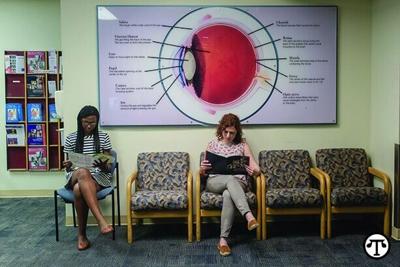
“In the early phases of eye disease, your brain tries to fill in gaps in vision. That means many people with eye disease are walking around thinking they have 20/20 vision, or that they don’t need to get their eyes checked at all,” said Laura Fine, MD, EyeCare America® volunteer and ophthalmologist in Boston.
The American Academy of Ophthalmology recommends that all healthy adults get a medical eye exam at least once in their 20s, twice in their 30s, and as recommended by an ophthalmologist in their 40s and beyond. People who have a family history of eye disease or preexisting health conditions, such as diabetes, may need to come in more often. If you’re uninsured or underinsured, EyeCare America may be able to help with a no-out-of-pocket-cost medical eye exam.
“Regular eye exams throughout adulthood are important to catch eye diseases and conditions early, before symptoms appear,” Dr. Fine said. “For some diseases, once vision is lost, it cannot be restored.”
Waiting Could Cost You Your Vision
Take the case of Peggy Wellman. She went to get her eyes checked, thinking she only needed a new eyeglass prescription. Instead, she was told she had lost most of her peripheral vision to advanced glaucoma and needed surgery.
The diagnosis was a complete shock to Wellman. Although surgery kept her from losing any more vision, it could not restore the sight she had already lost. Had her eye disease been caught earlier, her sight may have been preserved.
“The best care is preventive care,” Dr. Fine said. “You probably go to the dentist regularly, not just when you notice a toothache. You should prioritize eye health in the same way for the best chance at a lifetime of healthy vision.”
Surprising Benefits of an Eye Exam
An eye exam can pick up health issues beyond eye diseases. That’s because the blood vessels and nerves at the back of the eye reflect your overall health and can signal the start of certain conditions, such as high cholesterol, high blood pressure, or vitamin deficiencies.
Other diseases an ophthalmologist can help diagnose include:
- Diabetes. Diabetes is a leading cause of vision loss in the United States. Early signs of diabetes can appear in the eye before vision is affected.
- Heart disease. A growing body of research shows that eye health and heart health are closely linked. An ophthalmologist can spot early signs of heart disease by examining the blood supply to the retina, the light-sensitive tissue at the back of the eye.
- Stroke. Loss of side vision, sudden blind spots, blurry vision, double vision, or sensitivity to light can all signal a stroke. Plaque deposits in the arteries of the eye could be a sign that emergency medical attention is needed.
How to Maintain Healthy Vision
May is Healthy Vision Month but any time is a good time to have regular eye exams. The easiest way to protect your sight is to have regular eye exams.
If you are unable to pay for a medical eye exam, EyeCare America may be able to help. The program provides exams for adults 18 and older who are uninsured or underinsured. See if you qualify for a no-out-of-pocket-cost medical eye exam at aao.org/eyecare-america.
Word Count: 573
 "“Many people with eye disease are walking around thinking they have 20/20 vision, or that they don’t need to get their eyes checked at all,” said Laura Fine, MD, EyeCare America® volunteer and ophthalmologist."











(0) comments
Welcome to the discussion.
Log In
Keep it Clean. Please avoid obscene, vulgar, lewd, racist or sexually-oriented language.
PLEASE TURN OFF YOUR CAPS LOCK.
Don't Threaten. Threats of harming another person will not be tolerated.
Be Truthful. Don't knowingly lie about anyone or anything.
Be Nice. No racism, sexism or any sort of -ism that is degrading to another person.
Be Proactive. Use the 'Report' link on each comment to let us know of abusive posts.
Share with Us. We'd love to hear eyewitness accounts, the history behind an article.