
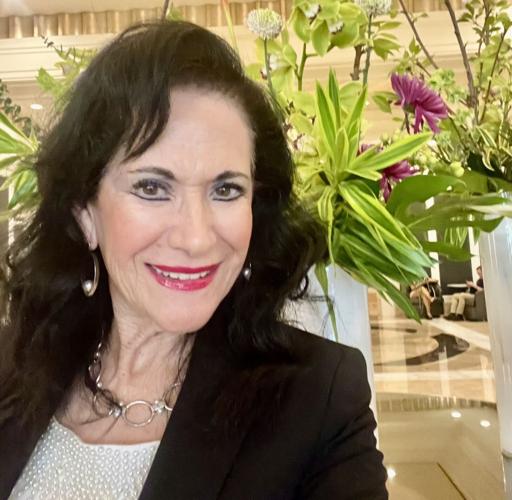
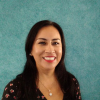

Claudia Montaño had a stroke 14 years ago. (By Claudia Montaño)
Claudia Montaño lives motivated and grateful, especially after overcoming a stroke 14 years ago. Every day, but especially in May – American Stroke Month – Montaño creates awareness among Latinos to check their health to prevent a potential stroke.
Montaño recalled the day when she had the stroke. She said she was working at a department store and as she was ringing up the items for a customer, she started having a very strong headache, followed by weakness of her right side and losing sight temporarily in one eye.
“I tried to give the customer a pen to sign the receipt, but the pen fell off my hand and I didn’t know what was going on,” said Montaño.
After the customer left, Montaño asked for a 10-minute break and she went next door to get a back massage. She thought it was stress after coming back from vacation, but the pain persisted, so she took the rest of the day off.
“I even drove myself home. I don’t know how I did it. I just went really slow,” she recalled.
Once at home, her adult children took her to the hospital and it wasn't until she was being treated about two hours later that she was told she was suffering a stroke.
“I didn’t know the symptoms. There was no family history of stroke, so I couldn’t identify it,” she said.
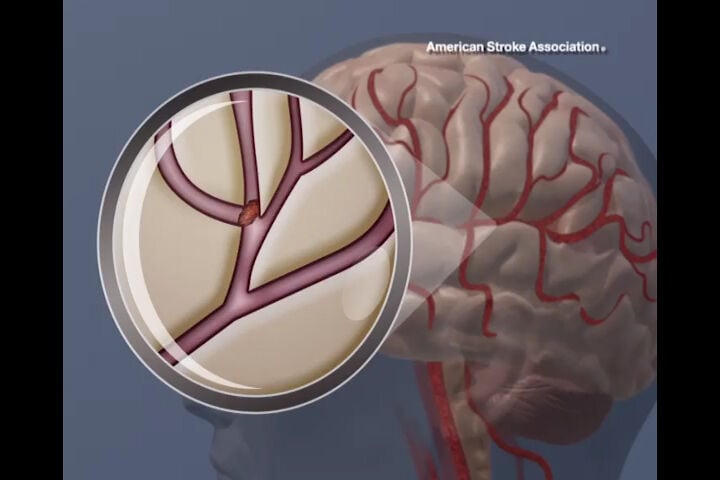
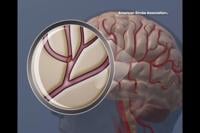
Image of clot in the brain. (AHA)
A stroke is a disease that affects the arteries leading to and within the brain. It occurs when a blood vessel that carries oxygen and nutrients to the brain is either blocked by a clot or bursts (or ruptures), according to the American Heart Association (AHA).
When that happens, part of the brain cannot get the blood and oxygen it needs, so brain cells die. A stroke is the fourth leading cause of death and a leading cause of disability in the United States.
It took Montaño six months to regain mobility in her right side and about two years to feel back to her normal self again.
“I was so lucky because later I learned once you start having a stroke, you have a three-hour window to get treatment,” she said. “Otherwise the cerebral damage is irreversible.”
The AHA indicates there are two types of stroke. One called ischemic stroke, caused by a clot obstructing the flow of blood to the brain and the other is a hemorrhagic stroke, when a blood vessel ruptures and prevents blood flow to the brain. There is also the Transient Ischemic Attack, also known as a mini-stroke, which is caused by a temporary blood clot.
How to prevent a stroke
Dr. Lucas Restrepo, neurologist and professor of Neurology at Loma Linda University, said strokes are caused by different things. For example, heart conditions leading to clotting in the heart can later on cause the clot in the heart to break and block one artery of the brain.
Other types of stroke are caused in patients with cancer, people with congenital problems of clotting, an accident or an aneurysm that can rupture, bleeding inside or around the brain and even from untreated illnesses or diseases.
“For instance, having high blood pressure can damage the artery to a point that it breaks,” Restrepo said.
However, many of those conditions can only be diagnosed with a doctor's visit because, many times, there are no outward symptoms.
“So for instance, many people with high cholesterol and high blood pressure have absolutely zero symptoms for many, many years,” he said. “And if you don't have good access to medical care, particularly preventive medical care, then you're going to be in trouble.”
He said the Latino community also tends to have a diet that is not conducive to healthy outcomes. For instance, food rich in refined sugar, high-fat content and processed foods can be detrimental to one’s health in general.
“A conversation with a physician can help us understand where we are not doing well, and what kind of modifications we can implement for our lifestyle,” Restrepo said.
He also said there has to be a moderate amount of exercise since the increase of obesity can cause a risk for diabetes and high blood pressure, which are some of the major risk factors for stroke.
The exercise doesn’t have to be extreme. Simple things like running, walking, playing tennis or dancing can help.
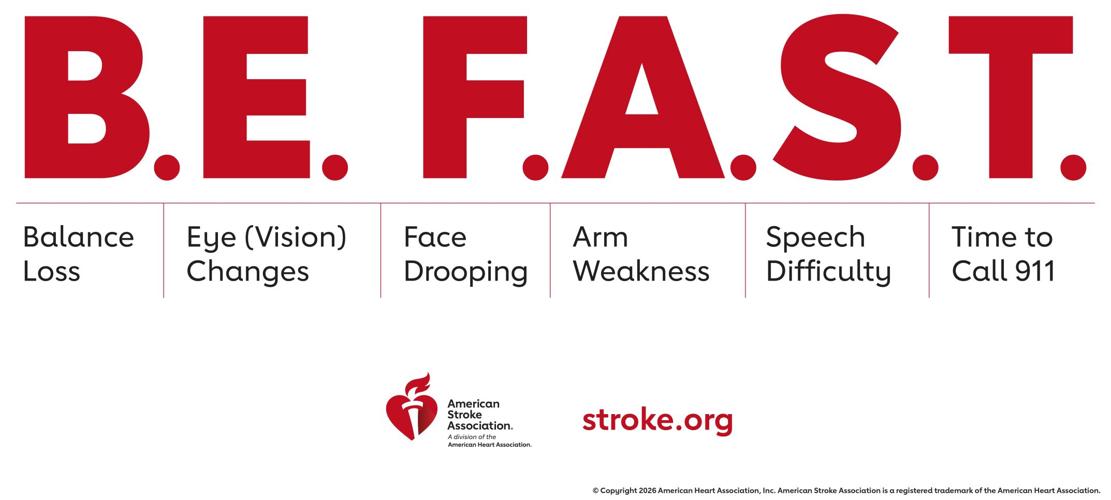
BEFAST and RAPIDO
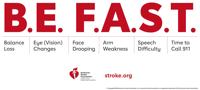
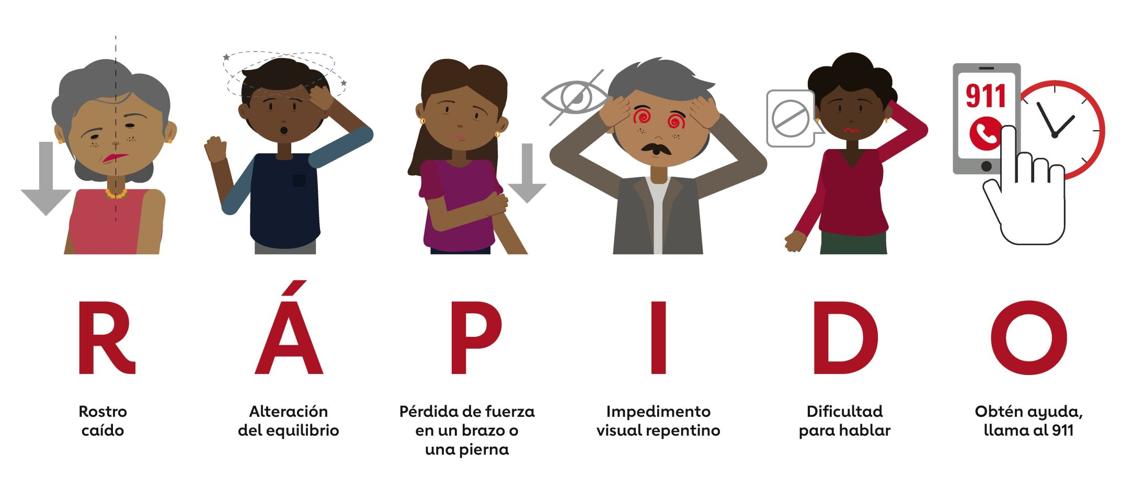
Learn to recognize the symptoms of a stroke in English and Spanish. The AHA created the following acronyms to remember common stroke warning signs:

In Spanish:







(0) comments
Welcome to the discussion.
Log In
Keep it Clean. Please avoid obscene, vulgar, lewd, racist or sexually-oriented language.
PLEASE TURN OFF YOUR CAPS LOCK.
Don't Threaten. Threats of harming another person will not be tolerated.
Be Truthful. Don't knowingly lie about anyone or anything.
Be Nice. No racism, sexism or any sort of -ism that is degrading to another person.
Be Proactive. Use the 'Report' link on each comment to let us know of abusive posts.
Share with Us. We'd love to hear eyewitness accounts, the history behind an article.