
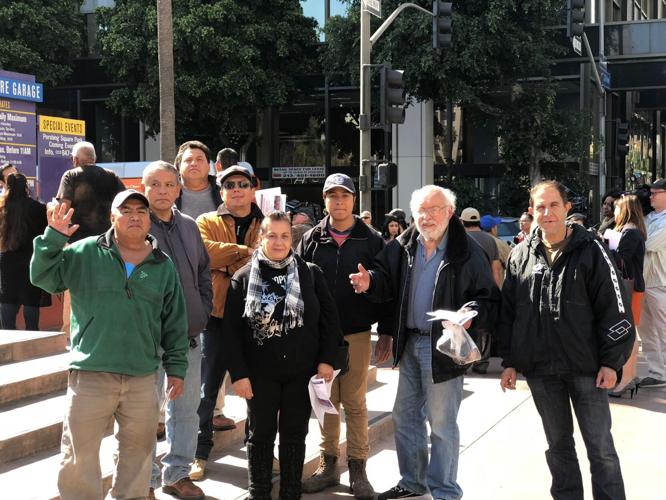

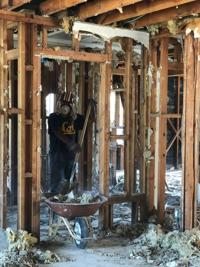
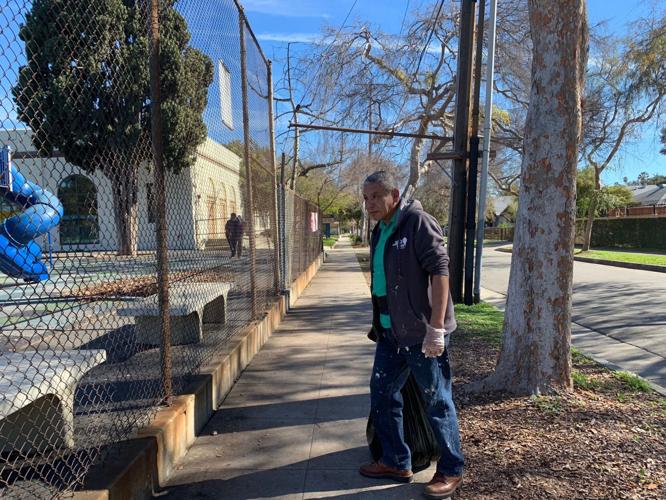


Credit: Líderes Campesinas en California.
Many undocumented workers in California have some of the most challenging and dangerous jobs with little to no benefits. While federal and state taxes are deducted from their paychecks, the law prohibits undocumented workers from unemployment compensation for services performed in California.
However, if passed, a new bill, SB 227, will provide income assistance to workers ineligible for unemployment insurance (UI) benefits. Currently, the Employment Development Department (EDD) is going through modernization and improvement. Advocates believe a plan for an Excluded Workers' Program should be included to ensure the infrastructure exists to implement it in the future.
During the pandemic, thousands of these workers were deemed essential, yet their benefits were minimal. Studies by UC Merced showed that between March and December 2020, Latinos accounted for more than two of three (68%) pandemic-related worker deaths in the state's nine highest-risk industries. These include landscaping, agriculture, building services, warehouse and food services.
Ziria Lomeli, 48, has worked as a housekeeper and is currently in the construction industry in Sacramento. As a single mother of three, she said she has faced challenging moments. Even when she is sick, she has to go to work since she's the only provider at home.
When COVID-19 hit, she got infected but couldn't get unemployment due to her undocumented status. She tried to recover with homemade remedies and was back at work in less than two weeks. Her dire situation forced her to request food stamps for their children, and even then, it wasn't easy.
"The government can make deductions on your paycheck, but when you go and ask for help, they look at your [gross] income, and they don't see the deductions and the many expenses you have," she said. "I ask [politicians] to put yourselves in our shoes so you can help pass this bill."
Another undocumented worker is Cesar Saucedo, who has lived in Los Angeles for over 35 years. The 59-year-old Mexican immigrant works as a day laborer and gardener. When his day work is canceled without prior notice because of the weather, he's kept in limbo and without an income.

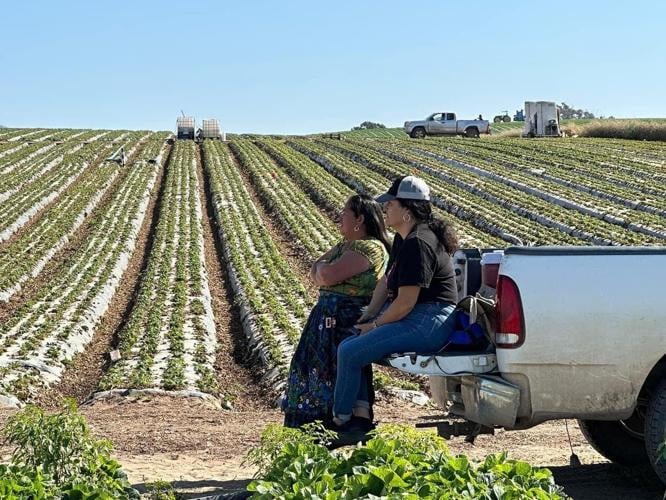
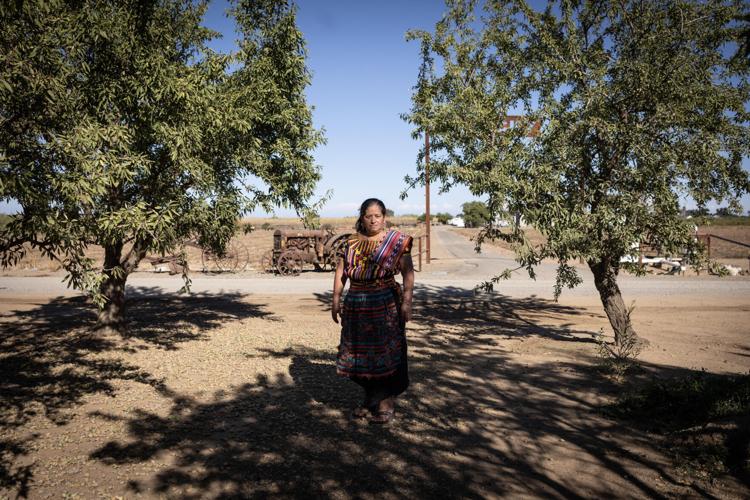
Victoria Poz. credit: Líderes Campesinas en California taken by Justin Sardo
"I get some food in the Workers Center of Pasadena, but it's not enough because we also have to pay bills and are falling behind. Right now we are behind on some bills," said Saucedo, who lives with his wife and three children.
Saucedo said undocumented workers like him may not have the legal documents to work, but he assured their labor helps California be the fourth-largest economy in the world.
"We ask legislators to be more aware of our situation and see that if we work more, we will contribute more and create a much better economy in the state," he said.
Veronica Alvarado, deputy director of the Warehouse Worker Resource Center serving the Inland Empire, said that when the pandemic hit in 2020 and people were ordered to stay at home, many workers in the region called the center and asked what their options were. While their pay stubs still showed an itemized employment deduction, they were denied the benefit.
Because there is not a comprehensive unemployment system that would support undocumented individuals, many of them had to go back to work.
"We heard stories from warehouse workers, from vendors, from jornaleros, from all fast food restaurants that told us, 'I have to work. My children are home now, before they could at least eat at school,’" recalled Alvarado.

Credit: Cesar Saucedo.
The Inland Coalition for Immigrant Justice (IC4IJ), serving San Bernardino and Riverside counties raised over one million dollars in philanthropic funds to distribute to the undocumented working community but realized this was only a temporary solution.
"These workers have been working diligently for California. We know that California has such a strong economy in large part because of the undocumented community, and yet we were saying, 'Not you. You get to go to work,'" recalled Alvarado.
Advocating for change
While California identifies as a progressive state, two other states are at the vanguard of protecting undocumented workers. A UC Merced fact sheet, "Worker Relief: Expanding the Safety Net to Excluded Workers," showed that in 2021, New York's $2.1 billion Excluded Worker Fund provided up to $15,600 per year per worker, a similar amount to what other workers received in unemployment benefits. In 2022, Colorado enacted the nation's first permanent, state-funded unemployment benefits program for undocumented workers through its Benefit Recovery Fund.
Victoria Poz, 47, escaped political persecution from her native Guatemala with her children five years ago. Once in California, her only option was to work as a farmworker in the tomato fields, and she accepted it. Now, she gets paid $16 an hour and has five paid sick days. She doesn't have health insurance, and if she loses her job due to the weather or harvest season, she can't get unemployment. She has to rely on other temporary gigs, such as recycling cans or cleaning houses.
"We have to pay bills and rent, we have to provide food for our families," she said.
Pox said undocumented immigrants proved to be essential during the pandemic. Many like her worked in the fields to provide food on Americans' tables and believe it is only fair for them to be treated with dignity.
For this reason, she has become an advocate for SB227, lobbying with politicians and creating days of action where she demonstrates how important undocumented workers are for California’s economy.
The bill is authored by State Senator Maria Elena Durazo and co-sponsored by Assemblymembers Miguel Santiago and Wendy Carrillo.
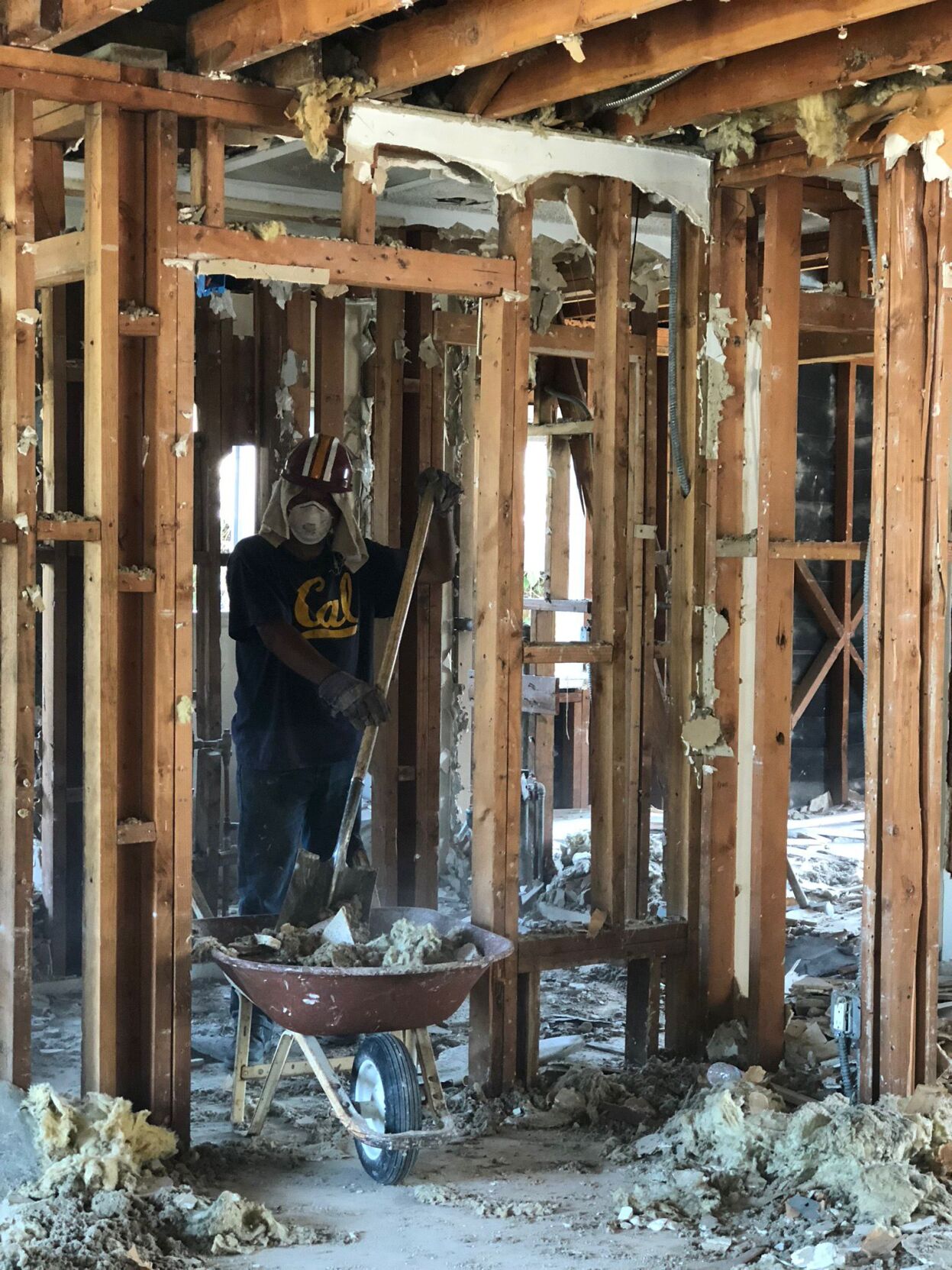
Credit: Cesar Saucedo.
The UC Merced fact sheet also revealed that for every dollar of UI benefit introduced into a community, over $1.50 is reintroduced in an economic boom, creating a favorable economic movement. Assemblyman Santiago said providing UI to undocumented workers is crucial to keeping people out of poverty.
"These folks have worked through the pandemic to keep food on our tables, healthcare facilities clean, and countless other essential jobs," he said. "It is important that SB 227 moves forward as it would establish the Excluded Worker Program to ensure that in times of crisis, folks can have access to life saving unemployment benefits."
Senator Durazo said all Californians deserve to continue supporting their families when they're out of work due to no fault of their own.
"The urgency for a Safety Net for All has only grown. With the dangerous heat this summer, we've seen how climate disasters are increasing in frequency and severity," she said in a statement.
Durazo said the unemployment benefits are crucial when disaster hits, but until now over one million Californians are excluded from this benefit because of their immigration status.
"Yet, taxes on the wages of undocumented workers already contribute millions to the UI system in California each year, even though they don't see a penny of the benefits," she said. "Our state, our local businesses, and our communities bounce back faster when all Californians are supported to withstand changes in our climate and our economy."
Bill timeline

Credit: Cesar Saucedo.
While California Governor Gavin Newsom made some remarks about the unlikeliness to sign bills related to the budget, Alvarado said this is an economic stimulus for the state.
"This is a way for California to continue to lead the way with its values, but also with economic, financial responsibility," she said. "When people are unable to pay their bills or make ends meet, this is not good for California. If we understand that, then it makes perfect sense that we would invest in the front end for this program to be implemented at this time."
The UC Merced fact sheet indicated that between 2012 and 2021, California employers contributed $241 million in annual federal Unemployment Insurance taxes and $228 million in annual state unemployment taxes on behalf of undocumented workers.
Governor Newsom vetoed the bill two years ago. It was reintroduced in January 2023 by Senator Durazo and passed the Senate in May 2023.
On Thursday, Assembly Appropriations Chair Buffy Wicks will decide whether the bill is introduced to the committee. If it passes, it will go for a vote on the Assembly floor and then to the Governor's desk.
Alvarado said while approving this bill is controversial for some, it is also important to prioritize the most vulnerable workers. Advocates believe it takes courage to lead with integrity, and values.
“This is not just about the undocumented community. This is about California because undocumented folks are Californians," she said.



(0) comments
Welcome to the discussion.
Log In
Keep it Clean. Please avoid obscene, vulgar, lewd, racist or sexually-oriented language.
PLEASE TURN OFF YOUR CAPS LOCK.
Don't Threaten. Threats of harming another person will not be tolerated.
Be Truthful. Don't knowingly lie about anyone or anything.
Be Nice. No racism, sexism or any sort of -ism that is degrading to another person.
Be Proactive. Use the 'Report' link on each comment to let us know of abusive posts.
Share with Us. We'd love to hear eyewitness accounts, the history behind an article.