
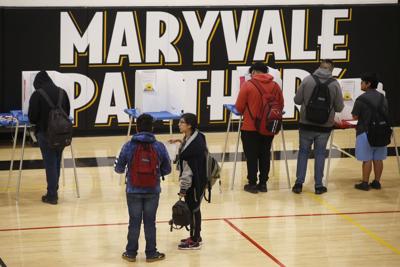

In this March 5, 2020, photo students participate in budget participation election at Maryvale High School in Phoenix. At the school hundreds of students who will turn 18 before Election Day were registered to vote. (AP Photo/Ross D. Franklin)
When I came home to Phoenix after serving in the military, one of the first things I noticed wasn’t how much had changed. It was how much hadn't.
The heat still wrapped around you before you even stepped outside. Long stretches of asphalt still offered little shade; bus stops baked in the sun. My neighborhood of Maryvale, in west Phoenix, still carried the same reputation it had when I was growing up, as if decades of neglect were simply part of its identity.
I had spent years serving my country. When I came home, I wanted to serve my community, but Maryvale quickly reminded me that service and sacrifice are not evenly distributed and that communities like mine were often expected to bear the greatest burdens while receiving the least in return.
During my military service, I lived in communities across the Deep South. I became curious about why some neighborhoods looked so different from others. Everywhere I went, I noticed the same pattern: lower-income communities and communities of color were more likely to live with pollution, poor infrastructure and environmental hazards, while wealthier neighborhoods had more trees, cleaner air and investments that protected people's health. Once I saw that pattern, I couldn't unsee it.
Returning to Maryvale, I recognized those same disparities in my own backyard.
West Phoenix experiences some of Arizona's highest environmental burdens. Extreme heat, poor air quality and aging infrastructure overlap in neighborhoods that have been overlooked for decades. Maryvale is 3 to 4 degrees hotter than other Phoenix neighborhoods because of limited tree canopy and the abundance of pavement and heat-absorbing surfaces. During an Arizona summer, those few degrees can mean the difference between discomfort and danger.
Our neighborhoods are not expendable. We should not be expected to bear the costs of extreme heat, pollution and decades of underinvestment while other communities receive the benefits.
One afternoon, someone knocked on my door. It was a community organizer with RUMBO. Instead of telling residents what our neighborhood needed, they asked us. Hearing that they focused on Maryvale brought me relief because, finally, someone was investing in the people who call this community home.
Their community-led resilience report highlighted what residents have been saying for years: we need more shaded walking routes, cooler public spaces, shaded parking and solutions designed with the community, not for the community.
These are not luxury projects. They are public health investments.
Arizona should be leading the nation in adapting to extreme heat. Instead, too many communities are left navigating outdated zoning, limited shade and infrastructure not designed for the climate we face today. Local, state and federal leaders must protect the people whose tax dollars help build our communities.
That investment should also create opportunity, and not just in the abstract. Shade infrastructure, cooling centers and upgraded public spaces require planning, construction and maintenance. Those are jobs. As neighborhoods improve, existing residents should be first in line to fill them through good-paying local jobs and workforce development programs that build skills and income and stay in the community. Building cooler, healthier communities should also mean building stronger futures for the people who already live there.
As climate change makes Arizona even hotter, we cannot afford to weaken environmental protections or delay investments in resilience. Communities like Maryvale will continue paying the highest price.
Growing up, I watched people leave Maryvale because they believed better opportunities existed somewhere else. I chose to come back.
After serving in the military, I returned to help my family and the community that raised me. Coming home reminded me just how much extreme heat, aging infrastructure, and years of underinvestment shape everyday life in neighborhoods like mine. It also reminded me why this work matters.
Every family deserves clean air, safe streets, shade and the opportunity to build a future without having to leave the place they love.
Communities like mine aren't expendable.
They're home.
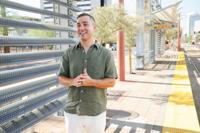
Saul Perea Moreno is a Phoenix native, Maryvale resident, U.S. Army veteran who served as a Specialist from 2019 to 2022. He now serves as a community advocate working to improve quality of life in neighborhoods facing extreme heat and underinvestment.





(0) comments
Welcome to the discussion.
Log In
Keep it Clean. Please avoid obscene, vulgar, lewd, racist or sexually-oriented language.
PLEASE TURN OFF YOUR CAPS LOCK.
Don't Threaten. Threats of harming another person will not be tolerated.
Be Truthful. Don't knowingly lie about anyone or anything.
Be Nice. No racism, sexism or any sort of -ism that is degrading to another person.
Be Proactive. Use the 'Report' link on each comment to let us know of abusive posts.
Share with Us. We'd love to hear eyewitness accounts, the history behind an article.