



(Photo by Amairani Hernandez.)
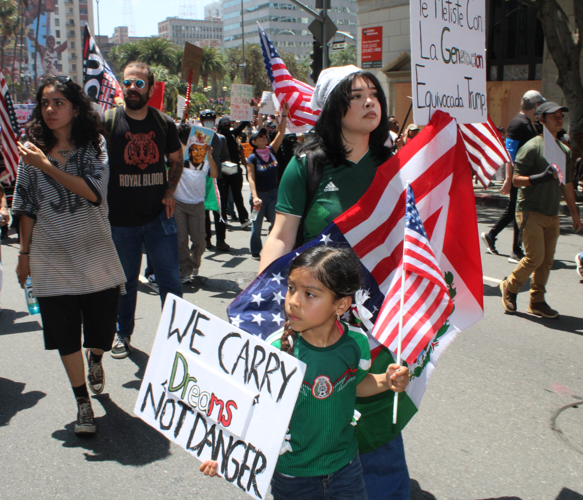
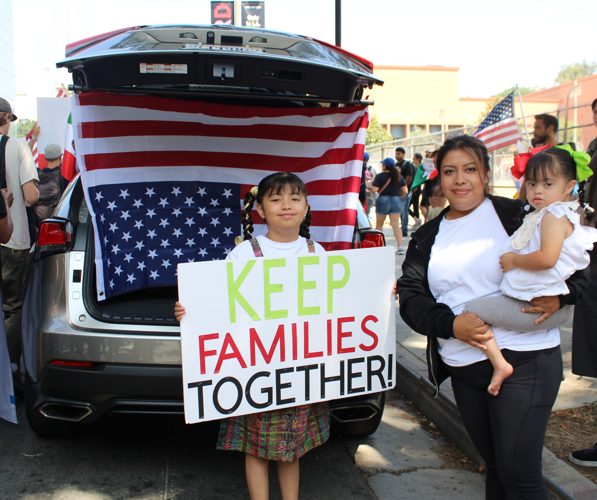
In communities across California, shifting political dynamics and immigration enforcement are reshaping daily life for many Latino families with young children. Led by Dr. Monique Escobedo, the Parent Institute for Quality Education’s (PIQE) latest research investigates the impact of these pressures on traditional kindergarten (TK) and kindergarten attendance and highlights how caregivers are striving to keep their children learning despite fear and uncertainty caused by immigration operations.
PIQE is a national nonprofit that advances educational equity by partnering with schools and communities to strengthen family engagement and support systemic change. PIQE serves more than 35,000 families each year across a network of more than 557 schools in 48 of California’s 58 counties.
Based on statewide attendance data and caregiver focus groups from the Bay Area, Central Valley and Los Angeles, the new report, “Latino TK and Kindergarten Attendance Under Pressure: Caregiver Steadfastness Amid Racialized Political Targeting,” documents how fear of immigration raids, racial profiling and family separation intersects with longstanding barriers such as low socioeconomic status, transportation, work schedules and limited childcare.
The report also highlights four major themes: children’s mental health, emotional distress, deep mistrust of information and law enforcement and the protective strategies families and caregivers are putting in place for their children.
This is not the first year that TK-12 schools see a decline in attendance. When the COVID-19 pandemic occurred, it caused a surge in chronic absenteeism. In California, rates rose from 12% in 2018–19 to 30% in 2021–22 and still remain high, particularly among socioeconomically disadvantaged students and students of color. For TK and kindergarten students in these groups, inconsistent attendance significantly increases academic risk, jeopardizing early learning progress.
With the recent federal immigration enforcement taking place, it has intensified fears in immigrant communities, especially among Latinos, a demographic that comprises over half of California’s TK–12 students.
Several of the 2025 presidential executive orders’ often racially motivated ICE operations have been linked to a 22% rise in absences among young children from mixed-status or undocumented families in California’s Central Valley.
Caregivers from three different California regions shared in a series of focus groups how federal efforts to enforce immigration have negatively impacted their lives and the lives of their children. Participants reported long periods of self-isolation by avoiding activities such as grocery shopping and recreational activities like taking their children to the park. In some cases, participants shared that they kept their children home from school due to fear of racial targeting and legal separation.

(Photo by Amairani Hernandez.)
“Many of the caregivers in this study–regardless of citizenship status–described how immigration raids in or near their communities caused extreme anxiety and initial feelings of confusion and fear,” said Escobedo, author of the report. “They want their children in classrooms where they can learn, grow and feel safe. Meanwhile, Latinos are also navigating a political climate that is directly targeting their communities–often based solely on appearances. Their stories detail both the heavy emotional toll that current immigration enforcement strategies have taken, but also the remarkable courage, planning and steadfastness that these caregivers maintain to ensure that their children have consistent and equal access to education.”
These pressures that families are feeling are contributing to mental health challenges, mistrust of authorities and isolation, while also limiting awareness of legal rights. Caregivers also stressed the importance of schools and communities offering clear information and ensuring safety so that all children can attend school consistently without fear or disruption.
It is no surprise that Latinos already face high rates of mental health conditions such as anxiety, depression and post-traumatic stress disorder. According to the Substance Abuse and Mental Health Services Administration, just 36.1% of Latino adults with a mental illness received related services in 2021, compared to 52.4% of white adults. The number of Latinos in need of mental health support is expected to reach an all-time high, despite the significant barriers many already face in accessing these services.
According to the Hispanic Research Center, 37% of Latino adults with lower-income and living with children reported frequent anxiety or depressive symptoms, and most do not receive mental health services.
For Estela, a resident of Los Angeles, her fear of being separated from her children affected her mental health. “I wasn’t prepared to leave any documents or for them to have passports. So that fear turned into panic for me. Unfortunately, I affected my little girl because she didn’t get to finish the school year with her friends...she would say that I was the one that didn’t want to take her to school,” Estela shared. Belinda, another resident from Los Angeles, also shared how it affected both her daughter and her son, making them feel upset because a lot of their peers were missing school.
Caregivers reported fear around rumors of ICE presence near schools, which was true for several L.A. County schools. Some of the preparedness strategies that caregivers provided in the focus groups were keeping the following in their possession in public such as notarized guardianship letters and passports, and maintaining safer transportation options, such as rideshares.
“This report is a powerful reminder that attendance is not just about getting students through the school gate,” said Ryan E. Alcantara, Interim CEO and President of PIQE. “For many Latino families, showing up every day requires resilience in the face of complex legal systems and economic hardship. Schools and districts have an opportunity, and a responsibility, to stand with caregivers by making campuses welcoming, ensuring families know their rights, and tailoring support so that every child can attend school consistently and without fear.”








(0) comments
Welcome to the discussion.
Log In
Keep it Clean. Please avoid obscene, vulgar, lewd, racist or sexually-oriented language.
PLEASE TURN OFF YOUR CAPS LOCK.
Don't Threaten. Threats of harming another person will not be tolerated.
Be Truthful. Don't knowingly lie about anyone or anything.
Be Nice. No racism, sexism or any sort of -ism that is degrading to another person.
Be Proactive. Use the 'Report' link on each comment to let us know of abusive posts.
Share with Us. We'd love to hear eyewitness accounts, the history behind an article.