
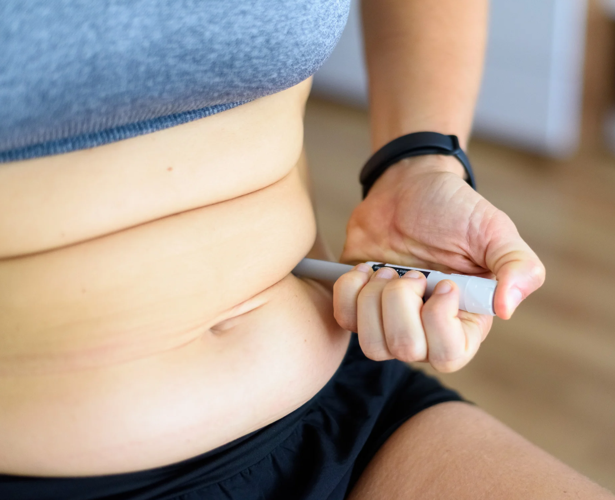


Health experts warn new surge of people seeking no-doctor, online subscriptions to weight loss drugs can be dangerous. (Photo from Canva library.)
A new study conducted by Tmrw, analyzes how all 50 states are rapidly searching for no-doctor, online subscriptions for weight loss drugs, with California ranking among the top, and health experts are sounding the alarm about the regulations and guidance.
The nutritional support drink analyzed how individuals are trying to access the weight loss drugs without having to see a doctor; the research tracked searches for medications such as Ozempic, Wegovy, and Monjaro alongside phrases including “online subscription” and “no doctor appointment.” Additionally, some U.S. states' interest is spiking 18% higher than the national average.
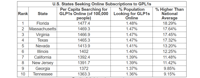
Florida, ranking in the top spot, was the nation’s biggest hotspot for online interest. The data shows 1,477 people per 100,000 residents in the state are searching every month for GLP-1 weight-loss drugs, more than 18% higher than the national average.
Massachusetts placed second with 1,469 searches per 100,000 residents, while Virginia came in third. The remaining top states included Texas, Nevada, Illinois, California, New Jersey, Georgia, and Tennessee. Experts warn that the surge highlights growing demand for powerful weight-loss medications that many people may be researching or accessing outside traditional medical settings.
“These are powerful medications that directly alter appetite, digestion and blood sugar regulation. This isn’t a casual ‘order it online and see what happens’ situation. Without proper oversight, people can miss contraindications, improper dosing, interactions with other medications or signs of serious side effects,” said nutrition expert and registered nurse Tara Allan.
A study published in the American Journal of Gastroenterology last year found that although Black (20%) and Latino (18%) communities experience higher rates of obesity, they remain significantly underrepresented in weight loss medications and clinical trials.
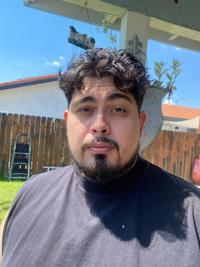
At 27, Nathan Carbajal chose to begin his weight loss journey with injections after his doctor determined that diet and exercise alone were not helping him lose weight. Carbajal started taking the shots from October 2025 up until January of 2026. He shared that getting the prescription from his doctor was an uncomplicated process, until it wasn’t anymore.
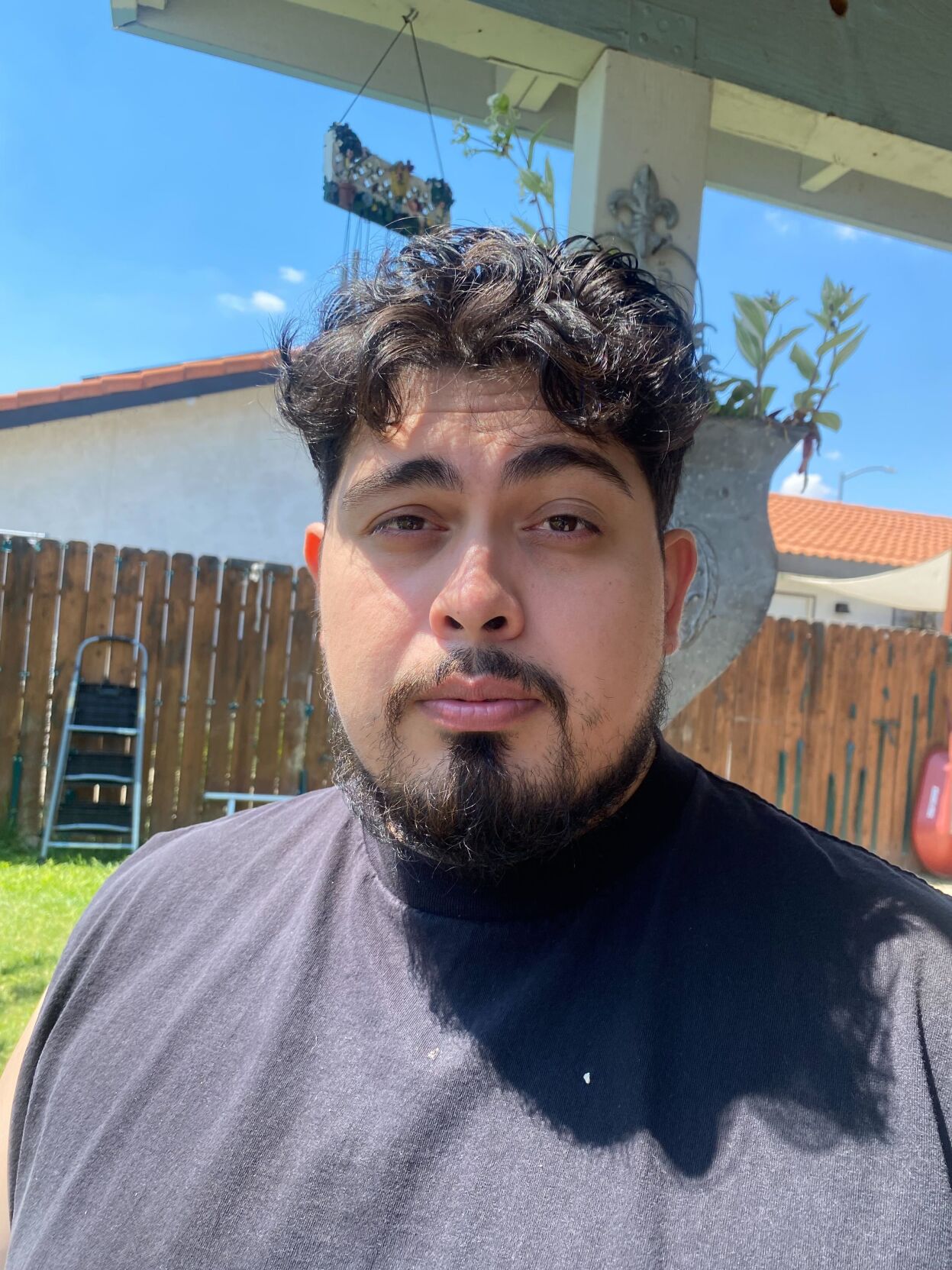
Nathan Carbajal decided to start the medication just last year. (Photo courtesy of Nathan Carbajal.)
“My insurance was able to cover it during that time, but unfortunately the government took it away,” Carbajal said. He also added that the shots are currently ranging from $1000 to $1,500, which guarantees one month's supply of four injections that are taken once a week at a specific time.
On April 4, the Trump administration announced that Medicare and Medicaid will not cover anti-obesity drugs, including the GLP-1 class of medications. Historically, Medicare is barred by statute from covering weight loss drugs, but as part of the 2026 proposed rule for Medicare Part D prescription plans, the Biden administration planned to allow coverage of these drugs to all people with obesity on Medicare or Medicaid. Currently, Medicare Part D plans cover GLP-1 drugs for type 2 diabetes, sleep apnea and preventing heart complications.
Although Carbajal was only on the medication for a short period of time, he saw the progress and had no side effects. “It did exactly what it was meant to do, and I did lose weight. I lost around 11 pounds within those four months,” he said.
He also shared that if he had the opportunity, he would go back on the medication. However, his only current option is to try a different alternative to the injections, the Wegovy pills, which are more affordable for him. Still, he refuses that option because he believes it would not produce results as quickly. “I just felt like it was easier that way because I'm not a pill popper. If I were to go on the pills, they are cheaper; they would cost about $150 a month,” he said.
Tara explains the risks associated with unregulated GLP-1 use, noting that reduced appetite, one of the drugs’ primary effects, can quickly lead to nutrient deficiencies if not carefully managed. “I see many individuals unintentionally under-consuming protein, essential minerals and even total calories needed to maintain lean mass. Without proper guidance, weight loss can come at the expense of muscle, bone density, energy and overall resilience,” she said.
Karissa Garcia tried to get weight loss injections known as Wegovy through her primary doctor but was initially told that she needed to get on a six-week weight loss program through them to get weight loss injections.
Her doctor also advised her that even if she finished the weight loss program, it was not guaranteed that she would qualify for the medication. “I remember I was like, 'Let me switch doctors, maybe that will work.' Nope! The new doctor I switched to was even worse. He had told me that he didn’t think it was necessary for me to get the shots, so he suggested I try eating smaller portions and exercising 30 minutes at least three times a week,” she said.
She took it upon herself to research shots that were sold online, which she stated were “extremely expensive.” She also didn’t know if she could trust any medication that is being sold online.
Eventually she found a vendor called Henry Meds. “I risked it and spoke to a doctor online who asked me questions about my health, and they prescribed me the Wegovy shots for just $299, and it was all legit and easy,” Garcia said.
Unfortunately, she had to stop taking Wegovy because it wouldn’t allow her to eat anything. “It made me so nauseous. I couldn't even hold down water either. I thought it would go away because most people say side effects are temporary, but it didn't. One week later, still the same, I was forcing myself to eat and it was a disgusting feeling,” she shared. “It also made me get palpitations where I felt my heart beat through my throat, and it was causing me anxiety. Even though I did lose weight, it was not a healthy weight because it obviously made me hate food.”
Tara highlighted the key signs that someone may not be tolerating the medication well. She said, “Persistent nausea, vomiting or significant food aversions are big ones, not just mild appetite reduction but actual inability to nourish yourself well. Ongoing fatigue, dizziness, hair thinning, or feeling unusually weak can signal under-fueling or nutrient depletion and digestive issues that don’t settle, like severe bloating or constipation.”
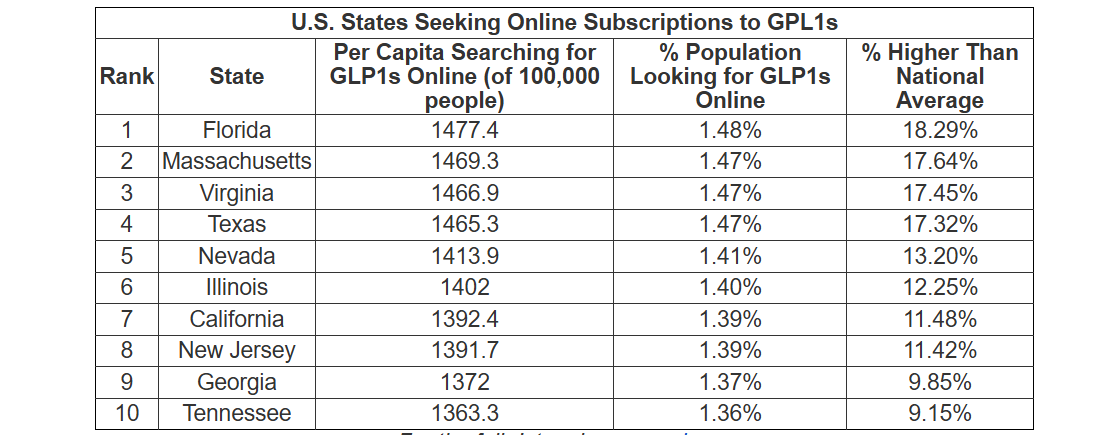
All 50 states are searching for no-doctor, online subscriptions to GLP-1s weight loss medication. (Photo courtesy of Tmrw.)
She emphasized the importance of being intentional with nutrition while on these medications. She said, “Protein becomes non-negotiable as it's a big signal for the body to keep lean tissue around. I’d also prioritize micronutrient-dense foods, things like eggs, quality meats, fish, dairy if tolerated, fruits and vegetables, because volume is lower.”
Tara also explained that hydration and electrolytes play a role, especially with reduced intake. “Supplements can be helpful, but they should fill gaps, not replace food,” she said. “And ideally be guided by individual needs, not guesswork.”








(0) comments
Welcome to the discussion.
Log In
Keep it Clean. Please avoid obscene, vulgar, lewd, racist or sexually-oriented language.
PLEASE TURN OFF YOUR CAPS LOCK.
Don't Threaten. Threats of harming another person will not be tolerated.
Be Truthful. Don't knowingly lie about anyone or anything.
Be Nice. No racism, sexism or any sort of -ism that is degrading to another person.
Be Proactive. Use the 'Report' link on each comment to let us know of abusive posts.
Share with Us. We'd love to hear eyewitness accounts, the history behind an article.