
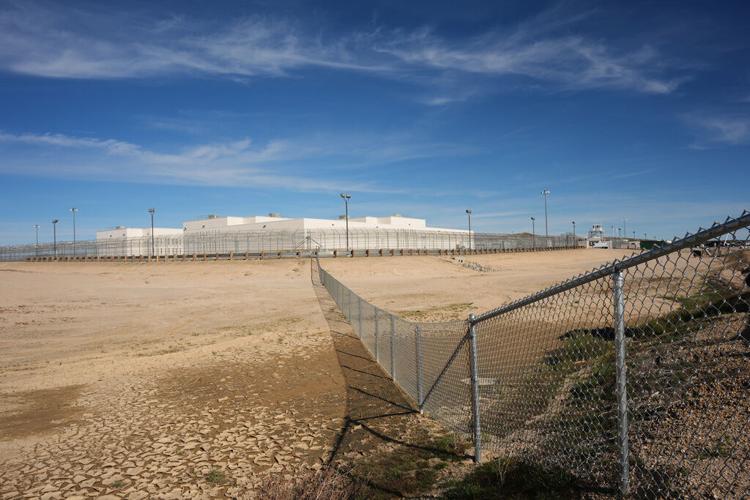


The exterior of an immigration detention center is shown Tuesday, Jan. 20, 2026, in California City, Calif. (AP Photo/Marcio Jose Sanchez)
California Democrats have spent the year drafting bills to curb federal immigration enforcement and develop more oversight for the detention centers already holding thousands of individuals in the state.
With a Democratic supermajority, many of these bills made it through the Assembly and Senate Appropriations Committees, the groups that advance or kill bills based on their fiscal impact. Some bills, however, did not meet the same fate.
Sen. Sasha Renée Pérez (D-Alhambra) spent months rallying up support for SB 995, known as the Masuma Khan Justice Act. Named after a woman in Pérez’s district, the bill would have developed a new oversight framework and required the California Department of Public Health (CDPH) to conduct oversight visits to ensure detention centers meet basic health standards. The bill died in the Assembly Appropriations Committee.
“This is a top priority issue for me,” Pérez said. “There’s very few incidents in my life that really shake me to my bones, and … everything that [Khan’s] family went through and the impact that it had on Masuma after, it was terrifying.”
Khan, 65, was held at the California City Detention Facility in Kern County for over a month and said she was consistently denied critical medications, proper meals and access to communicate with her family and attorneys. The family has said that had Khan’s daughter not intervened and demanded her mother receive medical attention, Khan would have suffered a medical emergency.
“She had to regularly advocate for herself to stay alive,” Khan’s daughter, Riya, said during an April Senate Health Committee hearing. “She didn't choose to be there, and that doesn't mean that her life doesn't matter.”
The bill would have given CDPH the authority to conduct both scheduled and unscheduled oversight visits to the state’s detention centers to ensure basic public health and safety standards, including clean water, proper ventilation and regulated heating, are being met. Private facility owners would be fined up to $25,000 per violation, per day.
Operators would have also been at risk of having their operating permits suspended or revoked.
CDPH estimated the bill could cost anywhere from $14 million to $21 million to implement due to staffing and other related costs, according to an Assembly Appropriations analysis. Pérez told CALÓ News she suspected the CDPH figure would affect the outcome of the bill.
The California Department of Justice also estimated the bill would cost close to $675,000 over the next two fiscal years for staffing purposes related to litigation that could arise.
Despite the cost estimates, the bill received unanimous, bipartisan support on the Senate floor and in committee hearings in both the Senate and Assembly.
“While SB 995 addresses a serious issue, its significant costs and lengthy implementation timeline raised concerns about whether the proposal, as written, would translate into timely, meaningful protections for the people it was intended to help,” Assemblymember Buffy Wicks (D-Oakland), chair of the Assembly Appropriations Committee, said in a statement.
Pérez said a comprehensive oversight framework will inevitably take an investment from the state, but that it is a “worthy investment.”

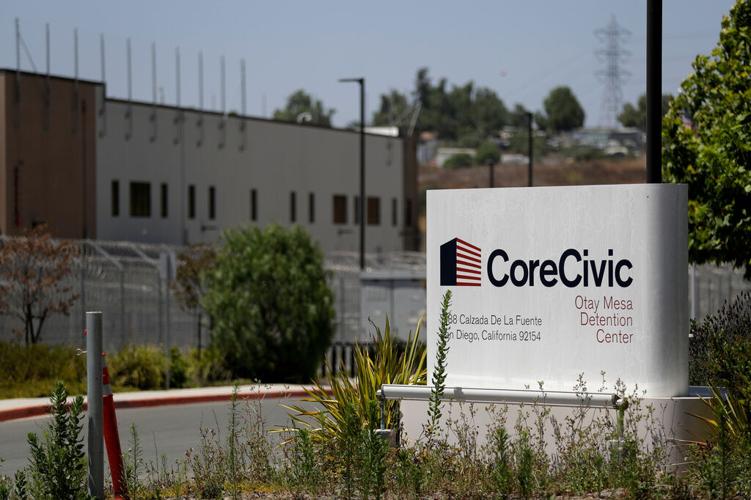
A sign for the Otay Mesa Detention Center sits in front of the building, in San Diego, July 7, 2020. AP Photo/Gregory Bull, File)
A report from the Attorney General’s office found six people have passed away in the past year during detention in California.
“If we don’t do something, people are going to continue to die as a result. We're gonna continue to see people get sick,” Pérez said. “I don’t think we can put a price on saving human life.”
Detention center oversight in California is strongest at the county level; all four counties that currently house detention centers have the legal authority to conduct oversight visits. CalMatters reported last October that only one of the four counties, San Diego County, had done so.
“We decided to pitch this because that accountability needs to go to the state level,” Pérez said. “It should not sit locally and depend on the politics of your county.”
The bills that survived
Many of the Latino Legislative Caucus priority bills did pass Appropriations and are waiting for floor votes in both Houses before being sent to the governor’s desk.
Sen. Lena Gonzalez’ (D-Long Beach) bills to make 911 calls from detention centers publicly accessible and restrict the use of crowd-control weapons both passed Appropriations and are waiting on final Assembly approval.
Assemblymember Liz Ortega’s (D-East Bay) AB 2465 also made it past the Appropriations hurdle. The bill will bar companies that invest in, own or manage detention facilities from receiving state tax credits or grants.
A bill to bar individuals who have worked with federal immigration enforcement from working as peace officers also heads to a floor vote, with support from Assembly Speaker Robert Rivas (D-Salinas) no doubt contributing to its success.




(0) comments
Welcome to the discussion.
Log In
Keep it Clean. Please avoid obscene, vulgar, lewd, racist or sexually-oriented language.
PLEASE TURN OFF YOUR CAPS LOCK.
Don't Threaten. Threats of harming another person will not be tolerated.
Be Truthful. Don't knowingly lie about anyone or anything.
Be Nice. No racism, sexism or any sort of -ism that is degrading to another person.
Be Proactive. Use the 'Report' link on each comment to let us know of abusive posts.
Share with Us. We'd love to hear eyewitness accounts, the history behind an article.