
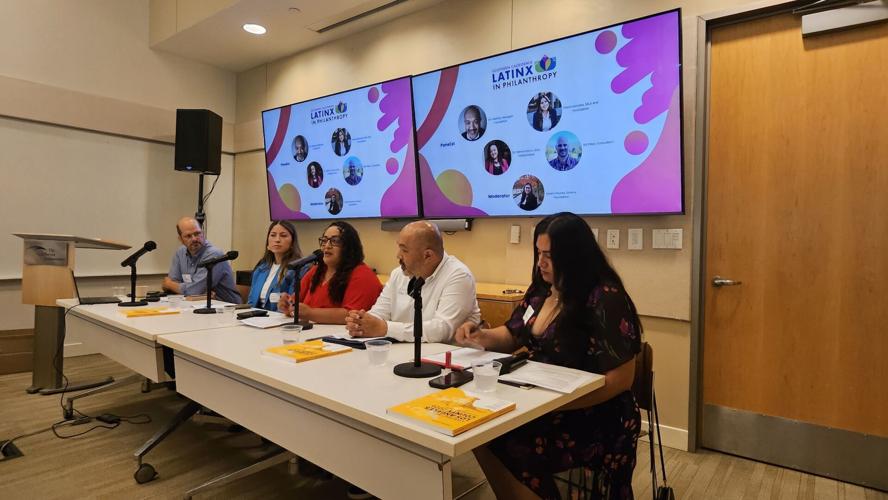
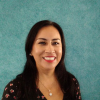

The panelists spoke about the report on July 16, 2026. (By Jacqueline García)
A report recently revealed that the Human Development Index (HDI), the measure of health, knowledge or education and income in a specific location, was highly disproportionate in L.A. County areas like South and East L.A. and in Southeast Los Angeles (SELA).
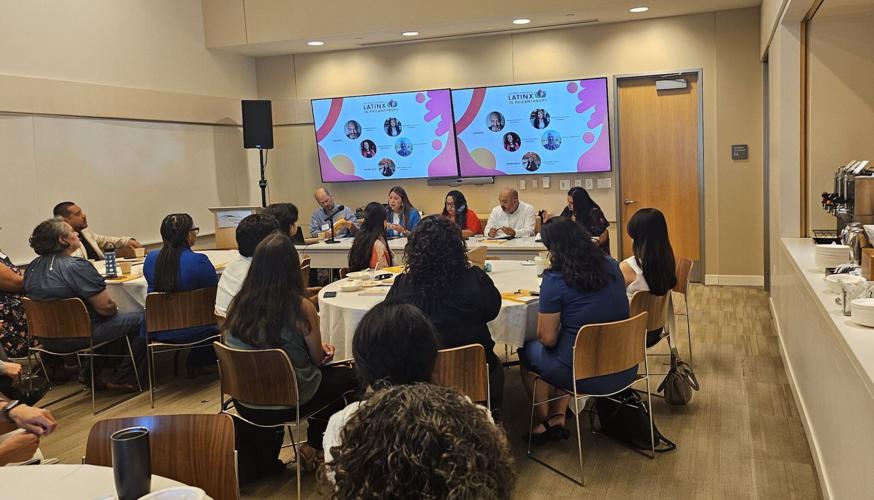
During a Thursday morning panel, elected officials and local leaders from SELA, together with philanthropists, discussed that stark reality and provided options for the betterment of the area.
SELA is composed of small cities such as South Gate, Maywood, Huntington Park, Bell, Bell Gardens, Lynwood, Cudahy, Walnut and Florence-Graham.
During the panel, researcher Bill Pitkin showed data from A Portrait of LA County 2026, a report that evaluates the well-being of Angelenos across race, gender, and place through HDI.
The negative HDI levels increased following the 2020 COVID-19 pandemic, which caused severe health issues and a crippled economy that was barely recovering when massive immigration raids started in 2025.
The report revealed a snapshot and track change over time for 150 localities (from 2015 to 2023) and for racial and ethnic groups, genders and U.S.-born and immigrant Angelenos.
Among the greatest gaps revealed in the data is income and life expectancy. Affluent areas known as Glittering L.A. that include places like Palos Verdes Estates, Beverly Hills and Malibu showed individual incomes higher than $99,000 and a life expectancy of 86 years old, while areas known as Struggling L.A., of which SELA is a part of, have an income of about $35,000 and a life expectancy of 78 years old.
The data revealed that in general Latinos make an average annual income between $31,000 and $36,000 while white Angelenos make between $70,000 and $80,000.

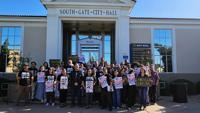
More than 50 leaders and advocates participated in the event. (By Jacqueline García)
About 39% of L.A. County residents live in the Struggling L.A. areas that besides SELA, South and East L.A. includes the San Fernando and Antelope valleys. About 70% of those areas' populations identify as Latino and in SELA alone, 94% of the population identify as Latino, while 43% identify as foreign born.
While this could be a shocking revelation for people living outside of Los Angeles, it is nothing new for locals, according to Dr. Wilma Franco, executive director of the SELA Collaborative, a network of entities dedicated to the advancement of SELA.
“However, data doesn’t show how resilient our community is,” she said, adding that the idea of relocating from SELA for a better future isn’t a solution.
“We need more support,” she said.
Partnerships are needed
Some of this support can come in the form of partnerships with other cities, philanthropic entities and organizations.
Eric Medina, from the Weingart Foundation, said that while many people could see these numbers as something depressing, for him they’re a beacon of hope.
“The hope that things can change, that these things are not inevitable and they are helpful for tracking,” he said. “It’s like there’s a warning bell, it’s like raising a flag.”
Panelists agreed that it is better to work together as a region rather than alone as a small city because higher numbers help elevate voices.
Medina said sharing diverse life experiences also helps create a better community. He said that after people get a chance to see the numbers, they feel more compelled to give their thoughts and feedback.
Franco said she has heard people say SELA is territorial, but she said it’s more like being tired of false promises, politicians lying to them and leaders not showing up. She said she often tries to connect with local elected officials and their offices to have someone to go to when needed.
“We want to move ideas to implementation,” she said.
The event was hosted by SoCal Latinx in Philanthropy (SCLP) and the panel moderator was Lucero Noyola from the Doheny Foundation.






(0) comments
Welcome to the discussion.
Log In
Keep it Clean. Please avoid obscene, vulgar, lewd, racist or sexually-oriented language.
PLEASE TURN OFF YOUR CAPS LOCK.
Don't Threaten. Threats of harming another person will not be tolerated.
Be Truthful. Don't knowingly lie about anyone or anything.
Be Nice. No racism, sexism or any sort of -ism that is degrading to another person.
Be Proactive. Use the 'Report' link on each comment to let us know of abusive posts.
Share with Us. We'd love to hear eyewitness accounts, the history behind an article.