
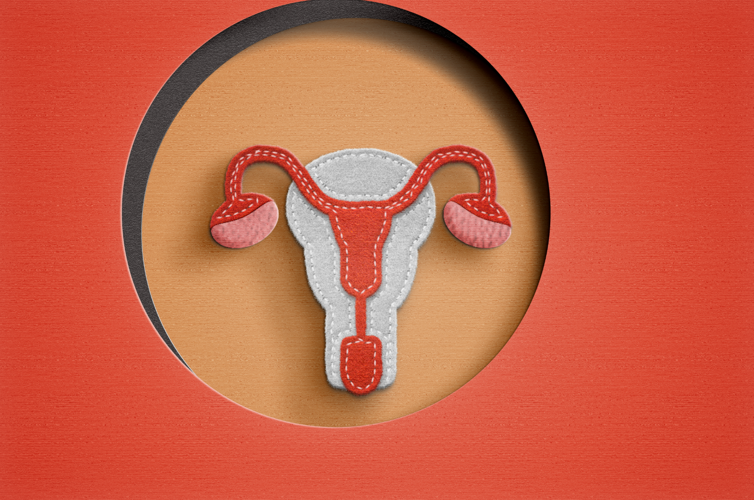


Photo credit: Getty Images
Last month was Cervical Cancer Awareness Month, recognizing this common form of cancer for women.
Cancer is a disease where cells in the body change and grow out of control and when the disease starts to spread in the cervix, it is called cervical cancer. Cervical cancer can be prevented and can also be curable if detected early on.
Although cervical cancer was once a leading cause of cancer death for women in the United States, last year approximately 13,960 women in the United States were projected to receive a diagnosis of cervical cancer and approximately 4,310 would have passed away from the disease, according to the National Cancer Institute.
This specific cancer is caused by human papillomavirus (HPV) and is normally transmitted sexually and can cause cells to become abnormal. HPV and cervical cancer do not usually have signs or symptoms. In most cases, HPV goes away on its own and will not cause problems. However, if the HPV infection does not go away, it can later lead to cancer. While most people with HPV don’t even experience symptoms, they can still infect others.
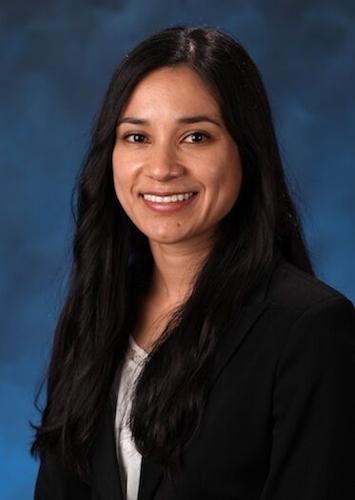
CALÓ News spoke with Victoria Cerda, MD, Gynecologic Oncologist at Cedars-Sinai, a nonprofit academic healthcare organization serving the diverse Los Angeles community.

Victoria Cerda, MD, Gynecologic Oncologist at Cedars-Sinai.
Doctor Cerda discussed with us the importance of raising awareness on cervical cancer and HPV in Latina women. “We actually have a vaccine for HPV and this vaccine has shown to decrease the rates of cervical cancer and this vaccine has been implemented since 2006,” she said. “The infection of HPV has basically dropped 81% for those who have received the vaccine.”
According to Cerda, the vaccine is recommended to be received at the age of nine for boys and girls. “If the vaccine is received before the age of 15, you can receive two doses and they are usually six months apart. If the vaccine is received after the age of 15 then you need three doses and they will also be six months apart,” Cerda said. The HPV vaccine is one of the ways to prevent cervical cancer among women and it’s highly recommended by Cerda to be taken.
Recent data demonstrates that Hispanic/Latina girls have one of the highest rates of vaccination uptake than girls of other races/ethnicities, according to the Centers for Disease Control and prevention.
Also, more than 42 million Americans currently have a type of HPV that can cause diseases, and the CDC notes that almost everyone will get HPV at some point in their lives. It also states that Hispanic women have the second highest rate of dying from cervical cancer, after non-Hispanic Black women.
Cerda said that back in the day they had stopped giving the HPV vaccine at the age of 26 and that's because they did not have the data for it. “Now we have certain circumstances that have increased that age limit beyond 42,” she said.
Cervical cancer can be preventable with HPV vaccination and regular screening including pap and/or HPV tests. Cerda said that there are five types of gynecologic cancer. The five main types of gynecologic cancer are: cervical, ovarian, uterine, vaginal, and vulvar. “Cervical cancer is the only one that we have a test for; the other types of cancer can’t be tested. This is the only cancer that we actually have the ability to prevent for women, which is huge,” she said. When abnormal changes on the cervix are found early, they can be removed or treated before they ever turn into cancer.
Cerda recommends that women start getting screened for cervical cancer by the age of 21 and do it as often as every three years and for ages between 21-30 is recommended to get screened every three years. Beginning at age 30, routine screening includes a pap test every three years, an HPV test every five years, or a pap and HPV co-test every five years.
Some of the barriers that Hispanic/Latina women face to receiving a pap test include: Limited access to healthcare, low education levels, embarrassment and pain during the test and providers who cannot communicate in Spanish, according to the American Cancer Society.
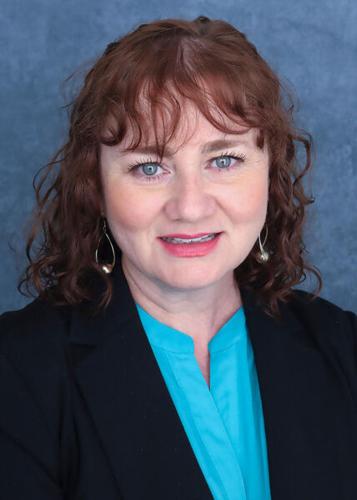
CALÓ News also spoke with Lourdes Barajas, MBA, program administrator for the Latino community outreach and engagement at Cedars-Sinai. She said that they provide education on a variety of cancers including breast cancer and cervical cancer.

Lourdes Barajas, MBA, program administrator for Latino community outreach and engagement at Cedars-Sinai. Photo courtesy of Cedars-Sinai
“Our goal is to reduce cancer disparity in the areas that are highly impacted, especially in the Latino community. The CDC site says that in LA County there's a rate of four individuals with cervixes that are diagnosed with cervical cancer for every 100,000 and over all in the state of California it's 3.7. So, just in LA County we are higher in those numbers and this data is just from 2016-2020,” Barajas said. In addition, she shared that Latina women oftentimes face barriers culturally, economically or not having time or any kind of transportation.
She also shared about the Every Woman Counts (EWC) program, which offers free breast and cervical cancer screening and follow-up services.This includes mammograms, pap and HPV tests to eligible individuals in California. The EWC program also offers a live navigator that one can call in Spanish or in English at the following number: (310) 775-1276. The 1(800) 511-2300 number is an automated one, which would require a zip code to be referred to an EWC partner clinic in your community. For more information on the free HPV vaccine click here.

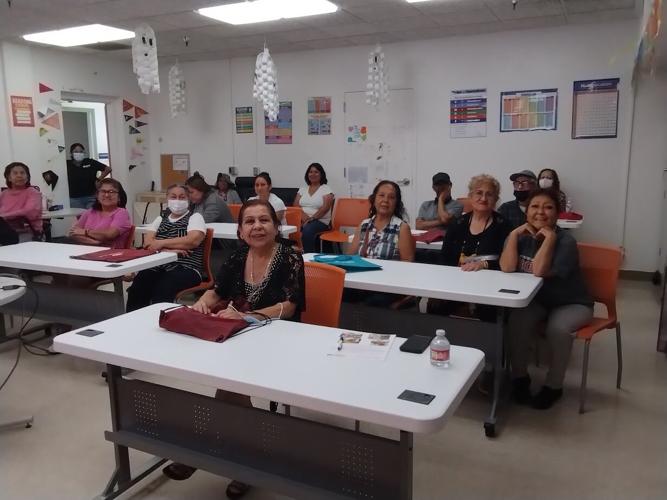
Community members at a breast cancer webinar .Photo courtesy of Cedars-Sinai








(0) comments
Welcome to the discussion.
Log In
Keep it Clean. Please avoid obscene, vulgar, lewd, racist or sexually-oriented language.
PLEASE TURN OFF YOUR CAPS LOCK.
Don't Threaten. Threats of harming another person will not be tolerated.
Be Truthful. Don't knowingly lie about anyone or anything.
Be Nice. No racism, sexism or any sort of -ism that is degrading to another person.
Be Proactive. Use the 'Report' link on each comment to let us know of abusive posts.
Share with Us. We'd love to hear eyewitness accounts, the history behind an article.