

Inspired by the director’s own mother, We Shall Not Be Moved navigates nostalgia and grief with humor and emotional depth to confront the lingering injustices of the past.
“We Shall Not Be Moved” is a cinematic reflection on the lasting wounds of the 1968 Tlatelolco massacre, which is one of the most significant and tragic events in the country’s modern history. On October 2 of that year, university students took over the streets to protest and demand a better democracy and justice as they were brutally repressed and killed by government forces in Mexico City’s Plaza de las Tres Culturas.
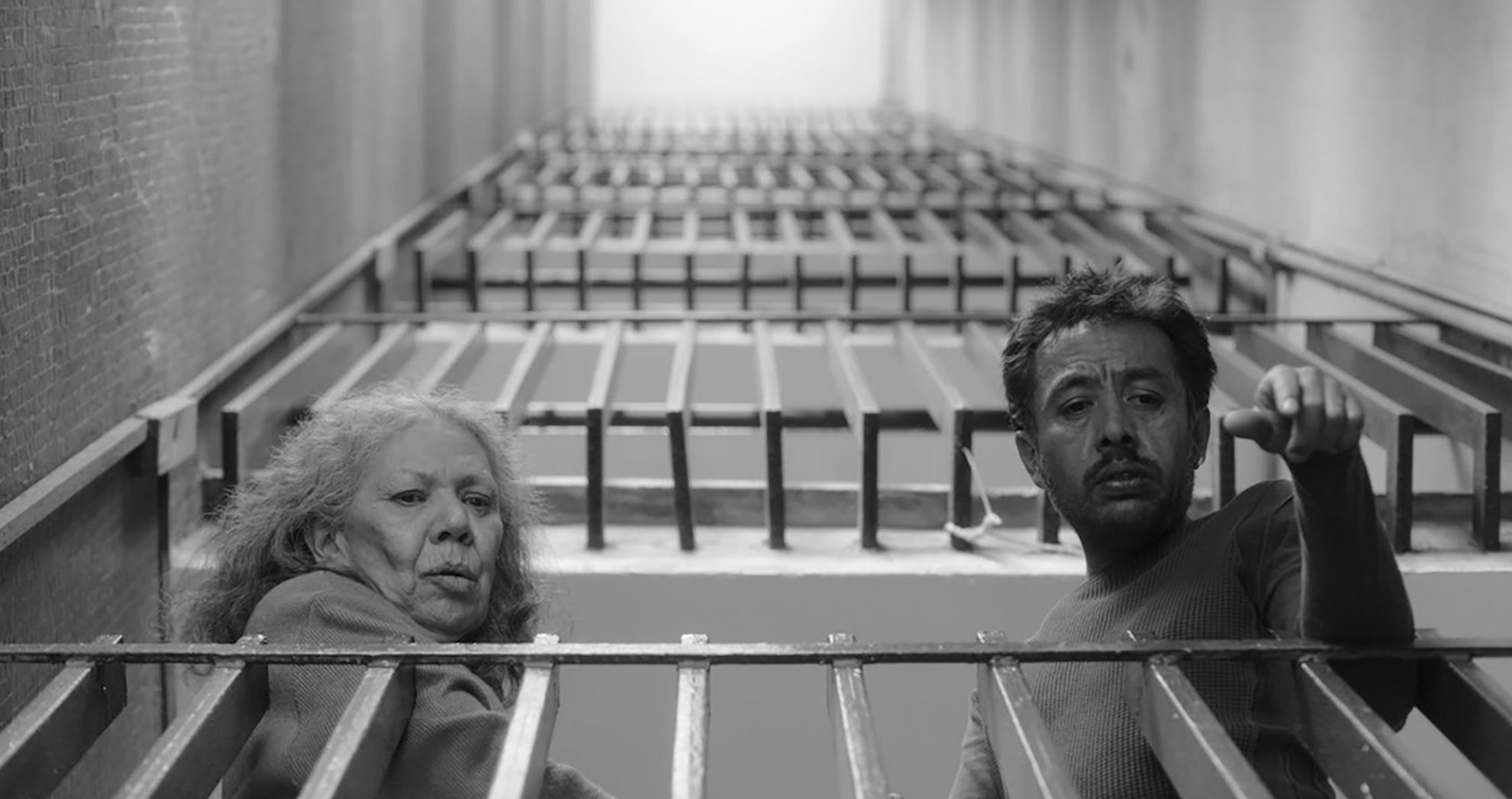
Although I wasn’t raised in Mexico, it has always been of great importance for me to learn about it's history. Watching “We Shall Not Be Moved” for the first time felt deeply nostalgic, transporting me to an era when films were shot in black and white. Although it isn’t my first non-color film, the choice makes the experience even more powerful for the viewer.
Seeing students who look like me protest reminded me that history truly does repeat itself. Not long ago, students across California took to the streets to protest and demand better treatment for undocumented immigrants in schools, workplaces, hospitals and churches, amid the ongoing raid operations, accompanied by excessive enforcement tactics, that continue to happen even a year after the Trump administration took office.
Just recently, people throughout the United States and in different countries took to the streets to protest after an ICE agent shot and killed a 37-year-old woman in Minneapolis on Wednesday. Though federal officials claim self-defense, the city’s mayor and state officials disagree.
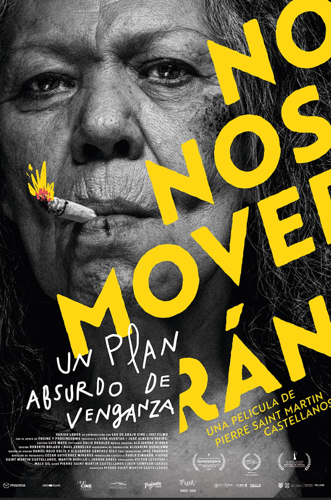
“We Shall Not Be Moved” is also a dark dramedy that follows 67-year-old Socorro, who is portrayed by Luisa Huertas, a retired lawyer obsessed with finding the soldier who killed her brother during the student protest.
Nearly six decades later, her lifelong fixation has strained her relationships with her sister, Esperanza, and her son, Jorge. When a new clue emerges, Socorro embarks on a risky plan to avenge her brother’s death, putting her family, her legacy and even her own life in jeopardy.

Blending personal and political memory, the film offers a moving meditation on how the wounds of political violence reverberate across generations, mirroring the collective trauma and resilience of a nation still reckoning with its history.
The low-budget independent production has become one of Mexico’s most celebrated films of 2025. Achieving a remarkable 14-week theatrical run, the longest for any Mexican film this year, it has also been showcased at more than 40 international film festivals worldwide.
“We Shall Not Be Moved” had its world premiere at the Guadalajara International Film Festival, where it won the awards for Best Mexican Film and Audience Award. It went on to receive four Ariel Awards—Best First Feature, Screenplay, Actress, and Breakthrough Actor and will also represent Mexico at Spain’s Goya Awards.
Inspired by the director’s mother, “We Shall Not Be Moved” mixes nostalgia, grief and humor to address the injustices of the past. The film connects personal memories with political history, showing how the pain of political violence is passed down through generations and reflecting the shared trauma and strength of a nation still coming to terms with its past.
The movie also quickly reminded me of the families and individuals who were displaced from their homes for the development of the iconic Dodger Stadium in the 1950s. Any remaining families on the land were forcibly evicted from their homes on May 9, 1959, by sheriff's deputies, with bulldozers ready at hand. This day was later called “Black Friday” by local residents. To this day, future generations of those families are still looking for justice and reparations for their family members.
Pierre Saint-Martin Castellanos, who is the director of the film, has photographed and produced short films, documentaries and television projects across Latin America and Europe. His work has screened at numerous festivals, including Morelia, the European Media Arts Festival in Osnabrück and San Sebastián.
A Berlinale Talents alumnus, he won Best Documentary Short at DOCS MX for “La Ahorcadita” and was nominated for an Ariel Award for Best Editing for “El sueño del Marakame” in 2017. He also co-wrote “Viaje al país de los Tarahumaras,” developed at the Cinéfondation Residence in Cannes. “We Shall Not Be Moved’ marks his debut feature as director.
Chosen as Mexico’s official submission for the 2026 Oscars Best International Feature, “We Shall Not Be Moved” is now streaming on Hulu and Disney+.





(0) comments
Welcome to the discussion.
Log In
Keep it Clean. Please avoid obscene, vulgar, lewd, racist or sexually-oriented language.
PLEASE TURN OFF YOUR CAPS LOCK.
Don't Threaten. Threats of harming another person will not be tolerated.
Be Truthful. Don't knowingly lie about anyone or anything.
Be Nice. No racism, sexism or any sort of -ism that is degrading to another person.
Be Proactive. Use the 'Report' link on each comment to let us know of abusive posts.
Share with Us. We'd love to hear eyewitness accounts, the history behind an article.