
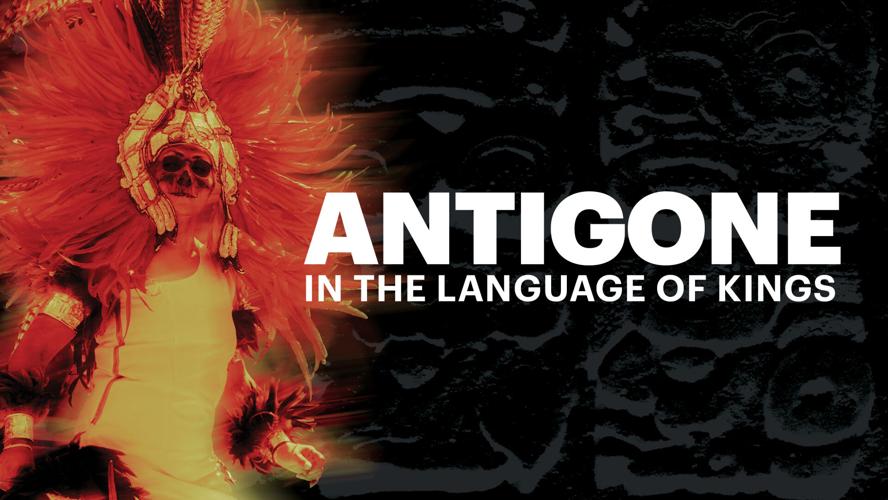

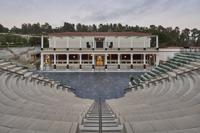


Performances will run from September 10 through October 3. Photo courtesy of the Getty Villa
Pre-Columbian Mesoamerican history, Indigenous mythology, music and poetry are some of the themes the Latino Theater Company's latest production will touch on in “Antigone: In the Language of Kings,” to be staged at the Getty Villa’s outdoor classical theater this fall.
The play is a contemporary adaptation of the story of Antigone, a famous heroine in Greek mythology and daughter of a king, who defies man-made rules in the name of justice, love and family.
The new adaptation brings together Greek mythology and pre-conquest Mexico to tell a story that looks to resonate across cultures and time periods.
The Latino Theater Company's new adaptation “Antigone: In the Language of Kings” reimagines the classical tragedy of Antigone and weaves it into the vibrant world of pre-conquest Tenochtitlan, Mexico.
Evelina Fernández, the writer behind “Antigone: In the Language of Kings,” and the founding member of the Latino Theatre Company at the Los Angeles Theatre Center, said the play comes at a time when, similar to the characters of the play, many people in L.A., especially Latinos, have had to fight for justice and defy systems of oppression in the last months.
“Antigone is a woman who speaks up against a tyrant by speaking her truth,” Fernández told CALÓ News. “When making this [play], we thought it was a very current kind of story because of what we're living through today. This [play] also reminds us how important it is to keep speaking up against injustices.”
Jose Luis Valenzuela, the artistic director of Latino Theater Company and director of the play, also touched on how, despite the original story being set in fifth-century B.C. Greece, it will resonate with people's defiance against tyranny today.

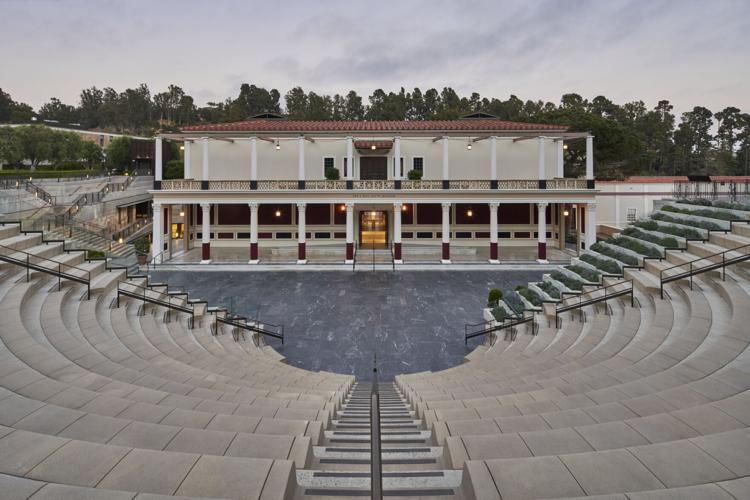
The Getty Villa outdoor theater where the play will take place. Photo courtesy of the Getty Villa
“Antigone is a timeless story of resistance, conscience and the struggle for justice,” Valenzuela said. “Set in pre-conquest Mesoamerica, [Fernández's] adaptation draws upon the rich Nahuatl language and mythology to explore universal themes of faith, power and moral duty.”
Valenzuela and Fernández both talked about the significance of bringing a play reflecting Indigenous practices and history to places like the Getty Villa’s 500-seat outdoor amphitheater.
For more than 20 years, the Getty Villa has hosted productions featuring classic Greek and Roman tragedies, comedies or modern adaptations of ancient myths. Many of these plays are made possible through their partnerships with renowned national theater companies, such as the Latino Theater Company, which won the 2025 Nonprofit of the Year Award, presented by California State Senator Lola Smallwood-Cuevas (D-Los Angeles).
Fernández said having the play in L.A. is greatly significant, as the city has the biggest Latino population, as well as many Indigenous people from Mexico.
“Our communities have become the enemy of this administration and that takes a toll on us. The violence against us takes a toll on us, so it's an important reminder for our community that we come from a beautiful culture and society,” she said. “Stories from our homelands also deserve recognition. That's why we have our own company, [the Latino Theater Company], so we can have the power to tell our stories from our perspective, through our lens. It's important that the Getty audience gets to know the different aspects of who we are.”
Production of “Antigone: In the Language of Kings” started in early 2026, but the idea to bring it to life dates back to 2023, when the Getty Museum reached out to Latino Theater Company about the adaptation of Antigone.
“For over 40 years, Latino Theater Company has reflected the vibrant mosaic of Los Angeles, honoring tradition while serving as a source for bold, contemporary stories that explore the U.S. Latino experience,” said Timothy Potts, Maria Hummer-Tuttle and Robert Tuttle, directors of the Getty Museum.

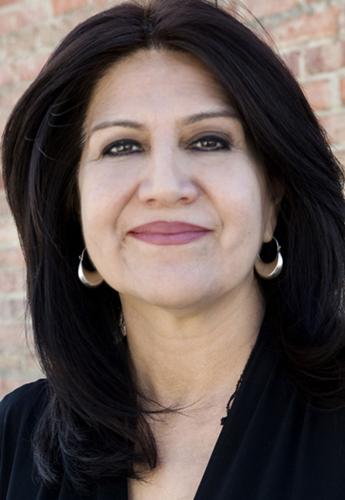
Evelina Fernández, the writer behind “Antigone: In the Language of Kings." Photo by Chaz Photographics
To prepare for the theatrical adaptation, Fernández said she did a lot of research on Indigenous communities in Mexico, pre-conquest nations in Central America and the Aztec civilization.
She said a lot of her research happened through diving into literature, essays and books that talked about pre-conquest Mexico and Central American regions. This included reading “Quince Poetas Azteca" by Mexican historian Miguel León-Portilla, as well as another of his books, “The Broken Spears,” which tells the story of the Spanish conquest using the words of the Aztec people who lived through it.
She also read “In the Language of Kings: An Anthology of Mesoamerican Literature, Pre-Columbian to the Present,” a comprehensive literary anthology edited by León-Portilla and Earl Shorris, which features centuries of indigenous writing from Mexico and Central America.
This book is also what inspired the name of the play.
Fernández said that while prepping for this production, she also read Mexican Indigenous poetry and researched their song and sayings, from which she took inspiration for the play.
"We want to share the beauty of ancient Aztec literature, culture and rituals that most modern audiences are not familiar with,” Fernández said. “These traditions carry profound poetry and wisdom that still speak to the human experience across centuries.”
The Getty Villa Museum and Latino Theater Company present “Antigone: In the Language of Kings” for the 20th annual “Outdoor Classical Theater” production this fall. Performances will run from September 10 through October 3.






(0) comments
Welcome to the discussion.
Log In
Keep it Clean. Please avoid obscene, vulgar, lewd, racist or sexually-oriented language.
PLEASE TURN OFF YOUR CAPS LOCK.
Don't Threaten. Threats of harming another person will not be tolerated.
Be Truthful. Don't knowingly lie about anyone or anything.
Be Nice. No racism, sexism or any sort of -ism that is degrading to another person.
Be Proactive. Use the 'Report' link on each comment to let us know of abusive posts.
Share with Us. We'd love to hear eyewitness accounts, the history behind an article.