


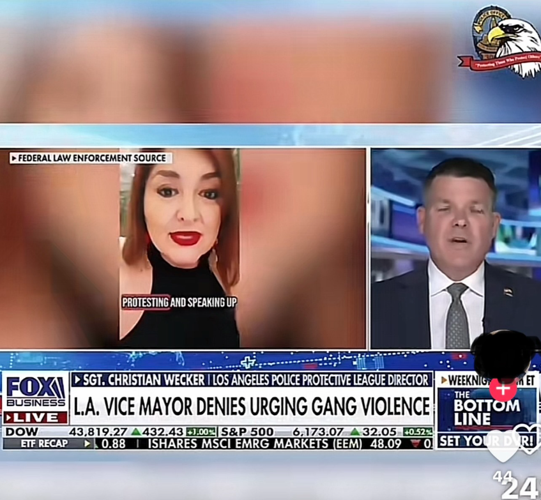

In late June, a short satirical TikTok video I created drew national attention. The video gained traction on my personal TikTok page before a larger cohort of Latino content creators reshared it. Most of the comments were either comical or understood as a call for solidarity in the face of members of our community being kidnapped by masked, unidentified strangers. Shortly thereafter, I received a call informing me that law enforcement had interpreted my message as a call to violence and that they would be reporting my video to the highest levels of government. Just a few days later, the FBI was at my doorstep.
I want to be clear that my video was never flagged for violence by any social media platform. I took the video down not because I was ashamed of its message, but because I saw it being deliberately used as propaganda and clickbait by the media, news organizations, and our own federal government. It was never a call to violence. My video was, and still is, a call to community and a reclaiming of safety by and for community members. This misrepresentation not only put the lives of law enforcement at risk but mine and my daughters’ as well.
My video, in satirical form, created space for gang members, who are also part of our communities, to join us in organizing and protesting against the kidnappings of our neighbors. All community members can pass out red “Know Your Rights” cards and use their phones to document what is happening. These were the acts I had witnessed and participated in before making my video, and what we have now seen happening across the country.
During the last few months, we have seen neighborhoods form community patrols to protect their “turf.” These grassroots acts are shaping how residents are reclaiming the concept of protection and redefining street ownership. It is community members, students, mothers, fathers, and elders who are becoming the caretakers of our neighborhoods, not with weapons or turf wars, but with whistles, megaphones, cell phones, and solidarity, showing what it truly means to protect the streets.

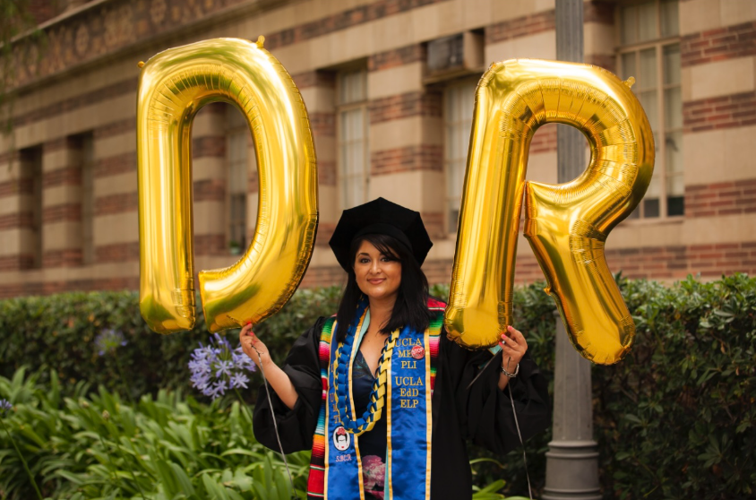
This belief system is not new to me. I believe deeply in restorative practices, trauma-informed approaches, alternatives to incarceration, alternatives to policing,and the need to provide our most marginalized community members with basic services, employment opportunities, and mentorship. I’ve spent over 22 years in education and public service advocating for young people and working to interrupt cycles of harm. As a high school principal in South Central Los Angeles, I led with the belief that every young person, including those impacted by gangs, poverty, or incarceration, deserves dignity, respect, and opportunity. I carry that same belief now as an elected official.
It was disappointing, though unsurprising, that the Los Angeles Police Protective League (LAPPL) paid more attention to my satirical video than to the real fear gripping immigrant families across Los Angeles. The LAPPL was especially vocal in its criticism, insisting that my video was a call to violence. They called for my resignation through official statements, podcasts, and Fox News segments. I scoured the internet looking for even one instance in which the LAPPL spoke on behalf of the Latino and immigrant communities of Los Angeles, and I did not find any of substance. Yet they had plenty of time to elevate a false narrative about my video. The irony of that is not lost on me, especially considering that the very community they fail to protect pays their salaries and pensions. It is alarming when satire is portrayed as dangerous while actual acts of systemic violence are protected.
In the days and weeks that followed, I received a tremendous amount of hateful emails, mail, and messages from people outside my community. These messages included sexual violence, threats,and racism. All of this was fueled by the false narrative of “violence” that the media, LAPPL, and well-known Latino reporters chose to push.
In contrast, people with my shared lived experience saw my video for what it was: a call for unity at a time when we were under attack. Countless people have approached me in shopping malls, restaurants, and community gatherings to express their allyship and support. People who grew up in neighborhoods like mine understood the unique relationship we have with every member of our community, including gang members. They can cause harm, yes, but they are also our family members and neighbors. This dichotomy is difficult for outsiders to comprehend. But my video was not meant for outsiders. It was a message for us, about the power we can build together and the importance of demanding more of each other.

Since my video, we have watched countless leaders of color targeted by this administration simply forspeaking up in defense of our community. While our communities face false narratives of criminalization and destructive rhetoric portraying our family members as rapists and murderers, these narratives go unchallenged and uplifted by reputable news organizations and government social media platforms without accountability. Yet, our own government and media will propagandize anytime we speak openly about the need to protect our constitutional and human rights. Satire is not a crime, and it is certainly not a call to violence. Like every person in this country, I have the right to express my views, primarily when they reflect the lived realities of my community. My right to speak, to organize, and to protest is not dependent on my tone, my accent, my dialect, or whether it makes some people uncomfortable.
I have created several videos calling for redefining street ownership, rooted in dignity rather than domination, with the potential to reshape public safety because we are all safer when every member of the community feels seen, valued, and connected. Every person, regardless of immigration status, past mistakes, or affiliation, should be allowed and encouraged to participate in community patrols and community safety networks. That is what authentic restoration looks like. If ever there was a time for our community to come together, it is now.
This experience has taught me how deeply our community craves to feel heard, cared for, and supported by its own leaders. They do not want us to be intimidated. They want us to fight using all our legally protected rights. And that is what we should continue to do. We must keep calling things out, organizing, and speaking truth to power. At a time when so many constitutional protections are eroding for our community, we must use them boldly and unapologetically. And that is what I plan to continue to do.






(0) comments
Welcome to the discussion.
Log In
Keep it Clean. Please avoid obscene, vulgar, lewd, racist or sexually-oriented language.
PLEASE TURN OFF YOUR CAPS LOCK.
Don't Threaten. Threats of harming another person will not be tolerated.
Be Truthful. Don't knowingly lie about anyone or anything.
Be Nice. No racism, sexism or any sort of -ism that is degrading to another person.
Be Proactive. Use the 'Report' link on each comment to let us know of abusive posts.
Share with Us. We'd love to hear eyewitness accounts, the history behind an article.