



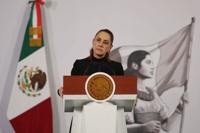
(Photo by Michael Loccisano/Getty Images)
The Arizona State Board of Education voted Monday in Phoenix to review the state’s teaching standards, potentially removing diversity, equity and inclusion language.
Arizona Superintendent Tom Horne proposed the review to the board in October, saying noncompliance could hinder millions in federal education funding.
Horne specifically cited teaching standards that include references to teaching “equitably” and with a “responsiveness to the cultural backgrounds and differing perspectives learners bring to the learning environment.” They also refer to understanding the “social, emotional and cultural needs of students” in the classroom, the Arizona Department of Education says.
Comprehending those needs is vital, a Cholla High School history teacher says.
“What Tom Horne is pushing for would directly impact my class. The entire curriculum focuses on bringing viewpoints and perspectives that are not often discussed in other classrooms or are often ignored,” said Cynthia Esquer Rico, who teaches dual enrollment Mexican American culture, community and identity and American history with culturally relevant Mexican viewpoints.
“Removing “DEI” from our curriculum would mean removing history that reflects our students and their families,” she said after school on Monday. “In the nine years I’ve been teaching, what I’ve noticed that empowers students the most is feeling like they belong in the classroom, and that their teachers care. We do this by teaching them about things that matter to them, history that makes them feel proud.”
State teaching standards were last revised in 2018. The board said it aimed to form committees by January with work beginning in February and a draft of the new standards ready in September.
Horne pushed the board to fast-track revising the standards because the White House could slow or freeze funding at any time.
“Federal education funding is at risk if DEI language remains in education programs,” Horne said. “If Arizona does not comply with federal guidance, the state may lose an estimated $866 million to Arizona schools.”
But the Arizona Education Association — the state’s largest teachers union, representing more than 22,000 educators — says the funding has not been frozen so far. The largest school district in Southern Arizona confirmed that funds have not been delayed in the Tucson Unified School District, Chief Financial Officer Ricky Hernández said Monday.
The risk to revising the standards and stripping current policies of any DEI references, the union says, is a one-size-fits-all approach to education.
“When educators are empowered to consider the unique needs of every student — including their cultures, languages, and life experiences — we can design instruction and support that are genuinely meaningful, relevant, and accessible,” the union said in a letter to the State Board.
The Monday meeting included voices from all over Arizona, including Pascua Yaqui Tribal member Rev. Debbie Royals.
“Lios enchi aniavu,” Royals said to the board. Her opening was both a simple Yaqui greeting and a prayer: “Our creator help you all.”
Royals, a 72-year-old Tucsonan who is now the canon for Native American ministry for the Episcopal Diocese of Arizona, was joined by three other members of the diocese. Each spoke about the value of learning Arizona’s truth, of the 22 federally recognized tribes here.
“What I want you to hear today is my own experience as a Native American elder,” she said to the board. “I am deeply concerned that my children's children now in school are still not learning the truth about our American history.
Royals told Arizona Luminaria about the impact that truth had on her identity growing up here. “If I had known growing up the traumas that impacted me both in my experience in grade school and throughout my life. You weren’t ever mentioned anywhere. Your language was not permitted in school.”
Horne applauded the board vote and echoed his call from last spring when he told Arizona school districts they must sign a DEI compliance letter or risk losing federal funding.
DEI language and programs have no place in the classroom, he said Monday. “(DEI) terms do not belong in teaching standards, which are meant to direct educators on the most effective ways to teach students’ core academics.”
This article first appeared on AZ Luminaria and is republished here under a Creative Commons Attribution-NoDerivatives 4.0 International License.








(0) comments
Welcome to the discussion.
Log In
Keep it Clean. Please avoid obscene, vulgar, lewd, racist or sexually-oriented language.
PLEASE TURN OFF YOUR CAPS LOCK.
Don't Threaten. Threats of harming another person will not be tolerated.
Be Truthful. Don't knowingly lie about anyone or anything.
Be Nice. No racism, sexism or any sort of -ism that is degrading to another person.
Be Proactive. Use the 'Report' link on each comment to let us know of abusive posts.
Share with Us. We'd love to hear eyewitness accounts, the history behind an article.