

California gubernatorial candidates think they can win Gen Z voters by creating viral moments, but they are missing out on what that generation of voters want. We’ve watched nearly all gubernatorial forums and debates, and recently, one thing has stood out to us. Candidates are seeking attention by any means necessary.
So much of this race has been shaped in the last month, and coverage has been focused on who has been able to capitalize in this shuffle. With debates taking them to the national stage, candidates like Xavier Becerra are trying to grab attention through “memeable” content like his cálmate t-shirts and ads giving us a break from Tom Steyer’s ads as a way to detract from his opponent’s attacks on his record. Gen-Z is way more complex than these campaigns seem to think, both online and offline.
Candidates have taken away the wrong message from how Mayor Mamdani used smart social media to attract the attention and support of voters. Those videos resonated because he represented a hopeful and progressive future for New York City, one that plainly promised lower costs and an easier life. Now coming to the tail end of this gubernatorial election, too much time has been spent by the candidates bashing each other in a failed attempt to stand out.
There is no plan to address the real world gaps we face. Debate conversations range from extremely technical to vague promises about what candidates may do. Steyer promised California’s switch to EVs, but made no mention of a plan for those who can’t afford that transition. Becerra positions himself as the candidate with the most experience, but at times comes off as protecting the status quo.
These candidates seem so far removed from the realities that people are experiencing, with 42 percent of voters saying the economy is the most important issue in a recent poll. Voters keep trying to parse through the content to find someone who will fight for them and their real needs. When you actively engage and genuinely understand the daily lived experiences of everyday people, you can win.
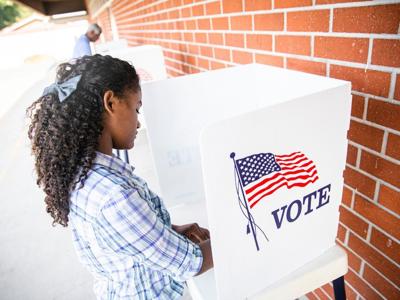
Now that Californians have ballots in hand, many are thinking of not voting. Nearly 38% do not feel informed around the candidate platforms and 20% don’t like the candidates who are running. We want them to know It’s okay to feel confused, to feel lost and upset about what is being offered to us – candidates think their viral content is enough to lock in our votes, but that simply is not how it works.
But, we’ve done the work and we are sharing how you can use your vote to make sure California’s future is just and prosperous. We offer this framework built brick by brick from generations of civic society leaders, including us, to create theHealth, Wealth, and Dignity Agenda. This is our opportunity to reject the status quo, and elect a candidate who has bold and progressive policies. Someone who doesn't view health as optional, but a human right. A candidate who understands wealth as a mechanism of agency, and not just a measure of personal success. And finally, instituting dignity with every bill, signature and executive order.
How candidates have approached this campaign tells a lot about how they’ll approach governing. People who have taken corporate money will listen to those interests when in office. People who are passionate about reform won’t walk away from policy positions or make cuts when the going gets hard. We need candidates ready to center the needs of real people, not engagement farming algorithms.
For those wondering if they should fill out their ballot, we want you to know that even if one candidate does not perfectly align with every single one of your values, you still have the power to push them to represent you by casting your vote. Now, with so much on the line with voting rights, it has never been more critical to participate in this democratic process, to raise your voice by filling out your ballot. No matter what, somebody will be in the Governor’s Office in January. Who better to make that decision than you?
Joselen Contreras is a Fellow at Unseen and an undergraduate Public Health Student at UC Berkeley.
Andrea Escobar is a Senior Fellow at Unseen and a Master of Public Policy student at UCLA.







(0) comments
Welcome to the discussion.
Log In
Keep it Clean. Please avoid obscene, vulgar, lewd, racist or sexually-oriented language.
PLEASE TURN OFF YOUR CAPS LOCK.
Don't Threaten. Threats of harming another person will not be tolerated.
Be Truthful. Don't knowingly lie about anyone or anything.
Be Nice. No racism, sexism or any sort of -ism that is degrading to another person.
Be Proactive. Use the 'Report' link on each comment to let us know of abusive posts.
Share with Us. We'd love to hear eyewitness accounts, the history behind an article.