
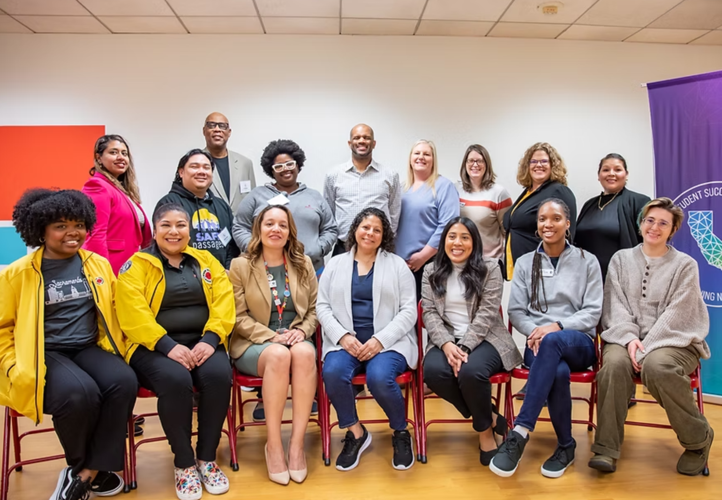
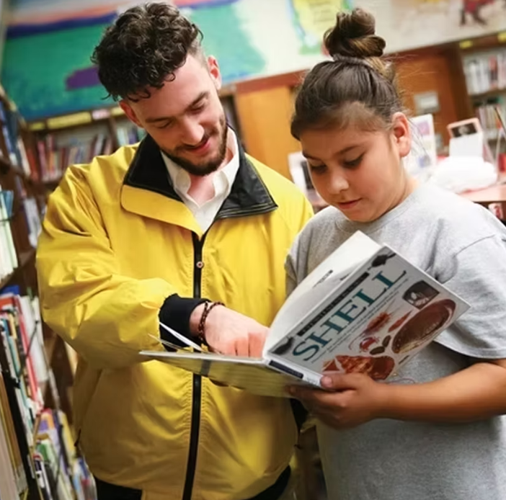


There is about 1,100+ Student Success Coaches serving across the state. (Photo courtesy of SSC.)
The Student Success Coach Learning Network (SSC) has secured funding in California's 2026–27 state budget, ensuring its coaches can continue partnering with teachers and administrators to provide academic support, mentorship, tutoring, and other resources for students in historically under-resourced K–12 communities.
More than 1,100 student coaches are serving nearly 76,000 students at 215 school sites across more than 30 California cities, including Los Angeles, the Imperial Valley, Escondido, Fresno, San José, San Francisco, San Diego, and Sacramento.
Jacqueline Mejia, managing director of government affairs for City Year Los Angeles, an AmeriCorps program, has been a leading advocate for the creation of what is now the SSC.
Mejia shared that schools choose to participate in the program, and coaches focus on students with specific academic or social-emotional needs while also supporting the teachers and the entire class.
She added that the coaches play a critical role in addressing ongoing challenges that students are facing, including absenteeism, academic recovery and mental health needs. Depending on the region and the organization, the reach may be different, but the goal is to always support students and the entire school community.
Student Success Coaches, who also serve as mentors, are often recent college graduates or young adults taking gap years from their studies. Their close age to students helps them build trust and connect with them in meaningful ways. Mejia said a large share of the network’s coaches identify as people of color and work in schools where the majority of students are also diverse.
“Many of the mentors are from the communities they’re serving in, so it’s much easier for students to identify with them, share common stories with, and to see somebody like them doing all these great things in their life is a great role model for them,” Mejia said. She also shared that a lot of the mentors see themselves in these students because they've been in those chairs.
Nearly half (44%) of AmeriCorps members not only remain in the community but also contribute to the local economy and its workforce.
A 2021 survey found that 84% of students said Student Success Coaches helped them learn to advocate for themselves and seek help when needed. The relationships coaches build with students also help them identify and address any problems before they become major barriers to their educational success.
Mejia shared that despite Latino communities experiencing challenges, which include increased fear and concerns about trust, the Student Success Coaches have helped mitigate some of those issues through the relationships they build with students and their families.
“The impact that we're seeing is that students are feeling a little bit more comfortable and yes, they're scared, yes, they're going through a lot, but having that additional person who they have a close relationship with and understands them is helping them get through some of these really critical times,” she said.

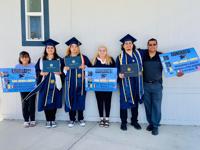
The California SSC Learning Network is a collaborative effort between eight community-based organizations across California. (Photo courtesy of SSC.)
Mejia also told CALÓ News that Student Success Coaches are on campus before the school day begins and remain there until the end of the day. “In the morning, they’re the first face that the students see. They’re at the front gates, welcoming students to school and students are so happy to see them,” she said.
Each year the SSC Learning Network continues to deliver strong outcomes in the following areas:
-73% of students improved semester grades.
-77% improved yearly grades.
-65% average improvement in test scores.
-56% average improvement in attendance.
-95% high school graduation rate.
Additionally, SSC is paving the way for young adults interested in careers in education. Nearly 36% of the mentors pursue careers in education following service, including as teachers, counselors and mental health professionals helping address educator shortages.
“This program has been intentional about providing both the professional development needed and guidance to get members from AmeriCorps service to the education pipeline and getting into a credential program,” said Monica Quiroz, program specialist for AmeriCorps in San Diego.







(0) comments
Welcome to the discussion.
Log In
Keep it Clean. Please avoid obscene, vulgar, lewd, racist or sexually-oriented language.
PLEASE TURN OFF YOUR CAPS LOCK.
Don't Threaten. Threats of harming another person will not be tolerated.
Be Truthful. Don't knowingly lie about anyone or anything.
Be Nice. No racism, sexism or any sort of -ism that is degrading to another person.
Be Proactive. Use the 'Report' link on each comment to let us know of abusive posts.
Share with Us. We'd love to hear eyewitness accounts, the history behind an article.